Farmer Pyke’s Forgotten Railway

Taking a break – and jumbling the chronology of things, I wanted to add a postscript to the postscript. At the end of the 2009 cruise log, I mentioned how unobservant I was with the rivers.

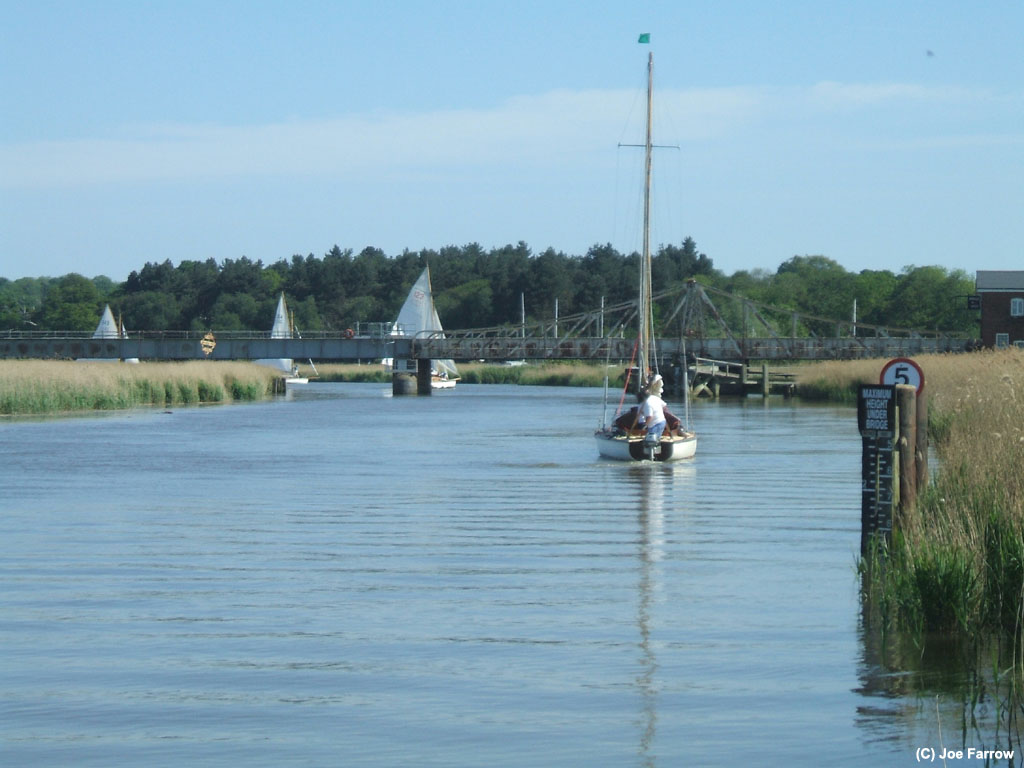
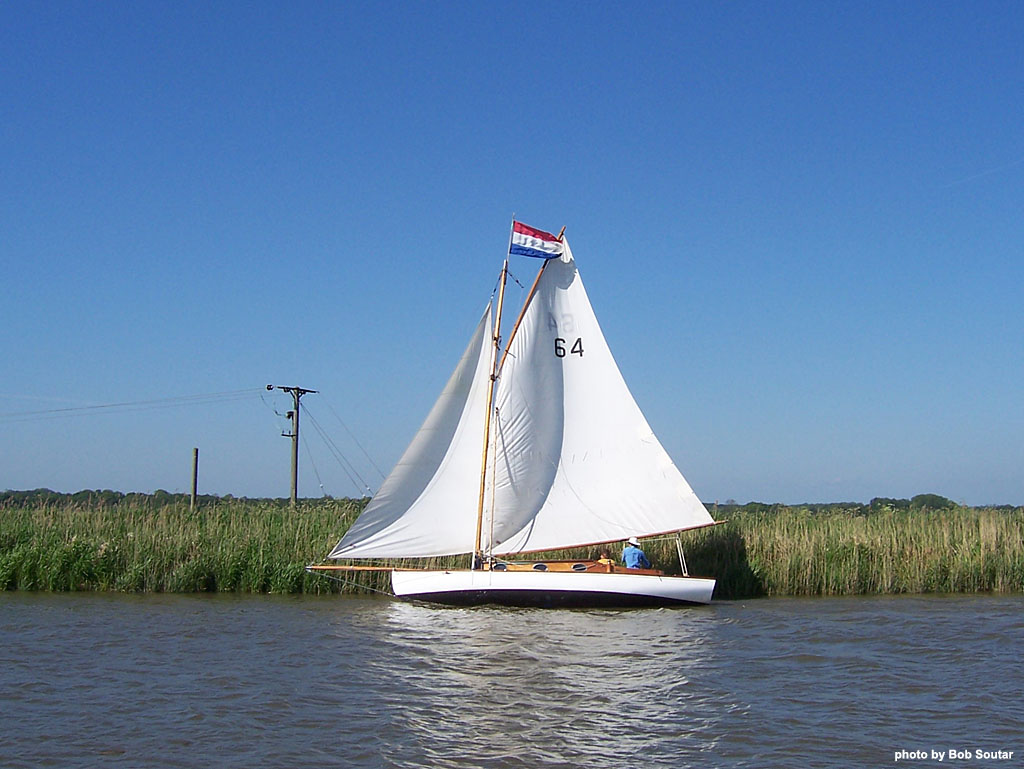
Recently, I was reminded about this, whilst sailing the Yare. It was an Autumnal Day, and rarely – I had the opportunity to put 3 reefs in, set a storm jib and enjoy some proper heavy weather sailing.

I’m not being fool-hardy, it’s worth sailing in heavy weather, you should understand how your boat performs when fully rigged. I know that I’ve sailed ‘Corsair’ with 3 reefs on 3 occasions in 12 years. This was the first time with the new rig.

It was comfortable, and more importantly balanced – you should always match a jib to each reef you take in. ‘Corsair’ has 3 jibs of varying sizes, and as such, the rig always gives you the right power that’s manageable. And, keep it simple and straightforward – be able to manage the rig even on a breezy day.

This video below gives you an idea of the day;

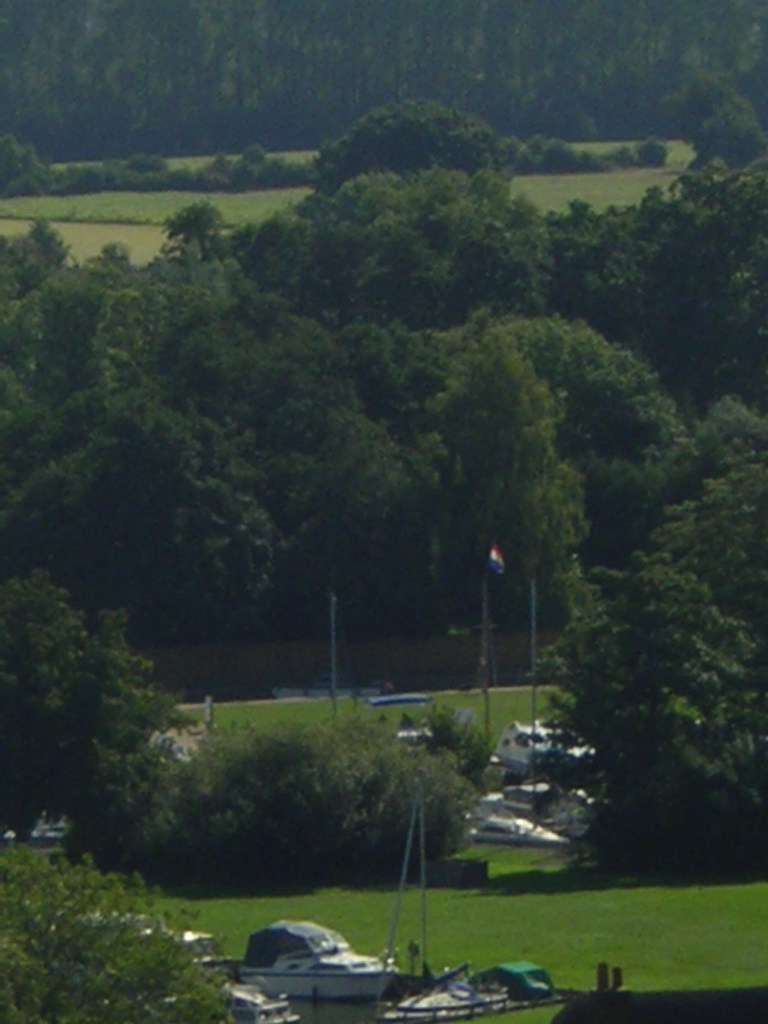
Co-incidently, ‘Corsair’ is sailing left to right, and heading toward the site of Jalil’s grounding; https://broadssailing.blog/2019/11/05/2009-cruise-day-5/

Also, the remains of a fascinating, hidden Broadland feature are nearby.

I’m sailing past the ghost of a railway. Between 1922 & 1937 – Claxton Manor was occupied by John Samuel Pyke, and in 1926 he built a railway here.

Built on the cheap, it utilised ex WD ‘jubilee’ track, which was effectively a 2ft gauge Hornby train-set. Rolling stock was some tipper wagons, and the cargo… Norfolk Beet!

Each year – local farms produce a tremendous volume of sugar beet, and in the 1920’s, the roads between Claxton & the sugar factory at Cantley were poor, unmetalled – and to travel to Cantley factory you were dependent on Reedham ferry. 7ton limit. A 1920’s lorry would need to make several trips, and you’d pay each way on the ferry.

Not to mention – Beet season is through the winter, so the roads could be relied upon to be muddy (!) making for a slow journey.

Or you can use a wherry – upto 30ton at a time, and can moor directly outside the factory to load & unload.
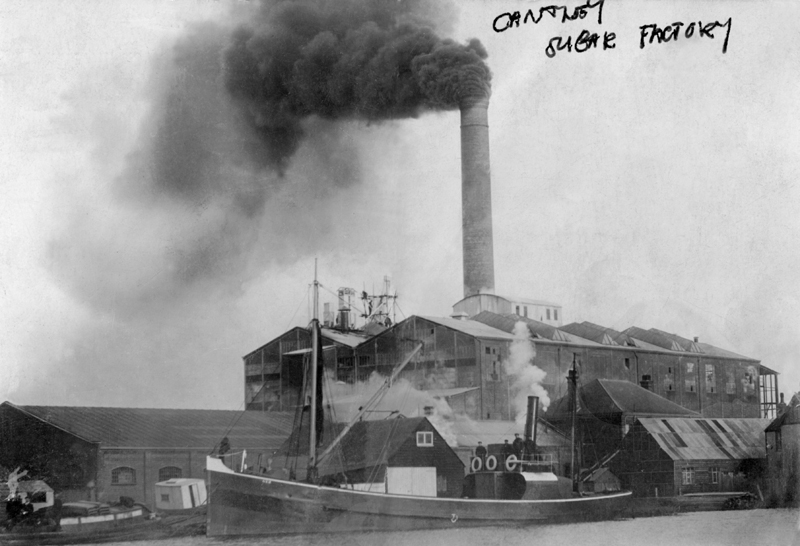
Cantley sugar-beet factory. A wherry is bottom LH corner, just ahead of the handsome steamer. (circa 1913)

In fact, all of this serves as a useful reminder that the Broads were an industrial landscape. Don’t be fooled by the picturesque windpumps, the Dutch came and drained the marshes – the rivers were the transport network.

Anyway – Farmer Pyke’s railway was also used to help construct some reservoirs at Cantley in 1926 – such was its portability, 16ft pre-fab sections can be lifted at will and rerouted.

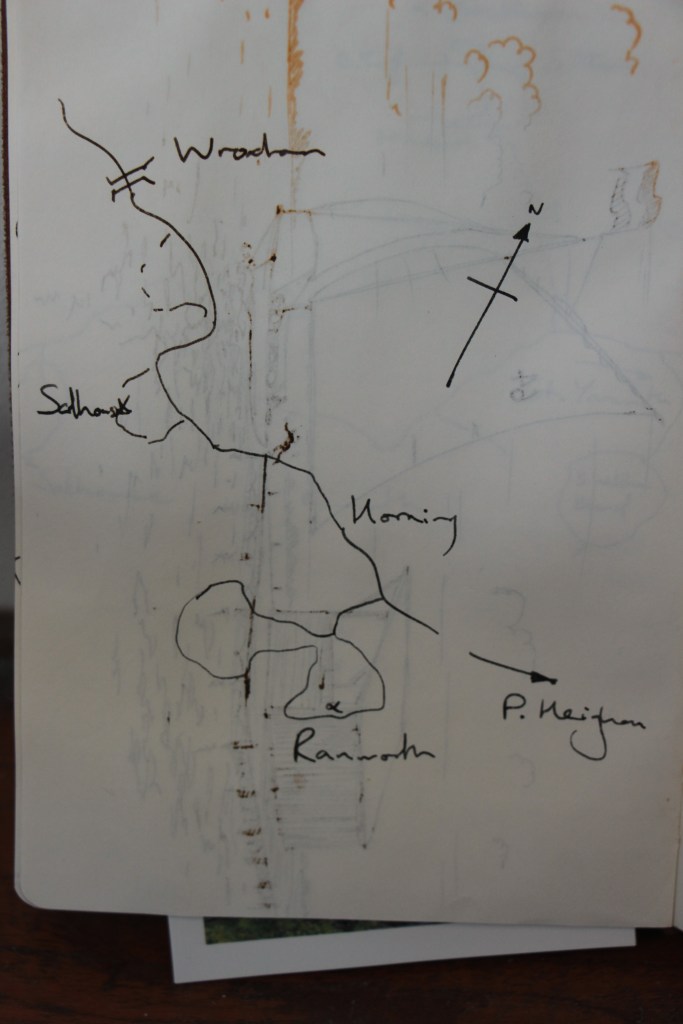
The route can be seen below, running from Staines Barn through Claxton manor farm to the river Yare.
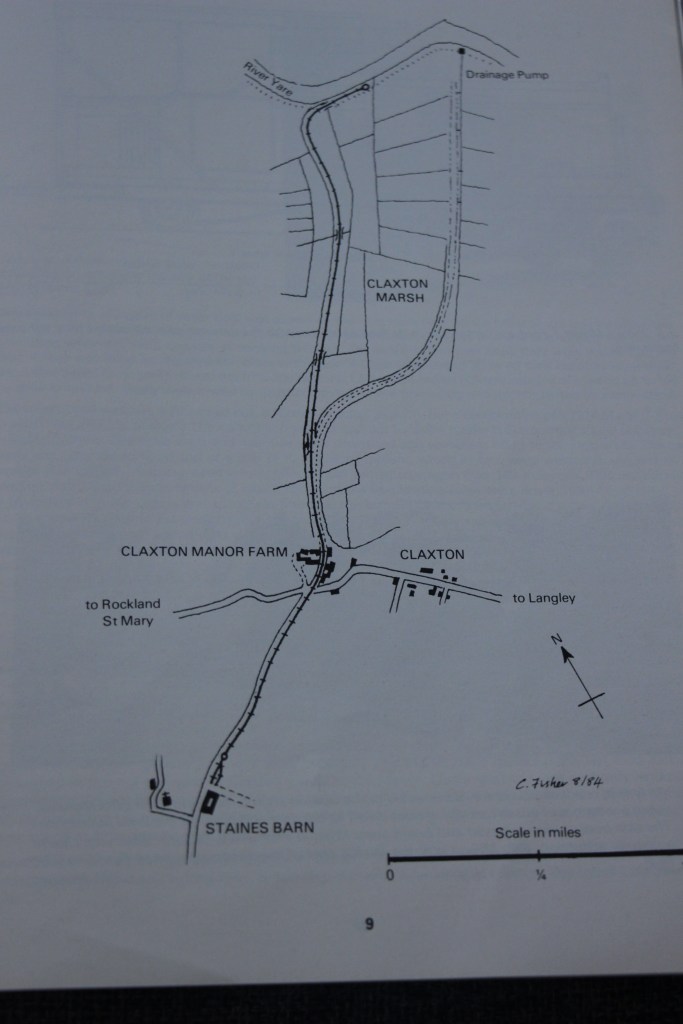
Farmer Pyke’s railway 1926 – 1926 (showing 1928 extension to Staines Barn)

Each train consisted of about 10 tipper wagons, each holding 1/2 ton (or so) of beet. This charming railway was the spirit of Heath Robinson himself!!

Although charming, the railway worked hard. Wherries initially carried 30tons of beet at a time, and by the late 1920’s steel lighters carrying upto 100 tons of beet at a time were used, being towed downstream by steam tug.

Loading certainly was done by hand, on the bankside of the Yare, during winter.

The locomotive was the star of the show. Locally made, it featured a recycled Model T Ford car (yes, really!)

The conversion was undertaken by John Keeler & Sons – agricultural engineers from nearby Thurton. To make a locomotive, you need only take one Model T, the frame of two skip wagon chassis’ & avoila!

For good measure, some sprockets and chains were robbed off a threshing machine and added to the mix.
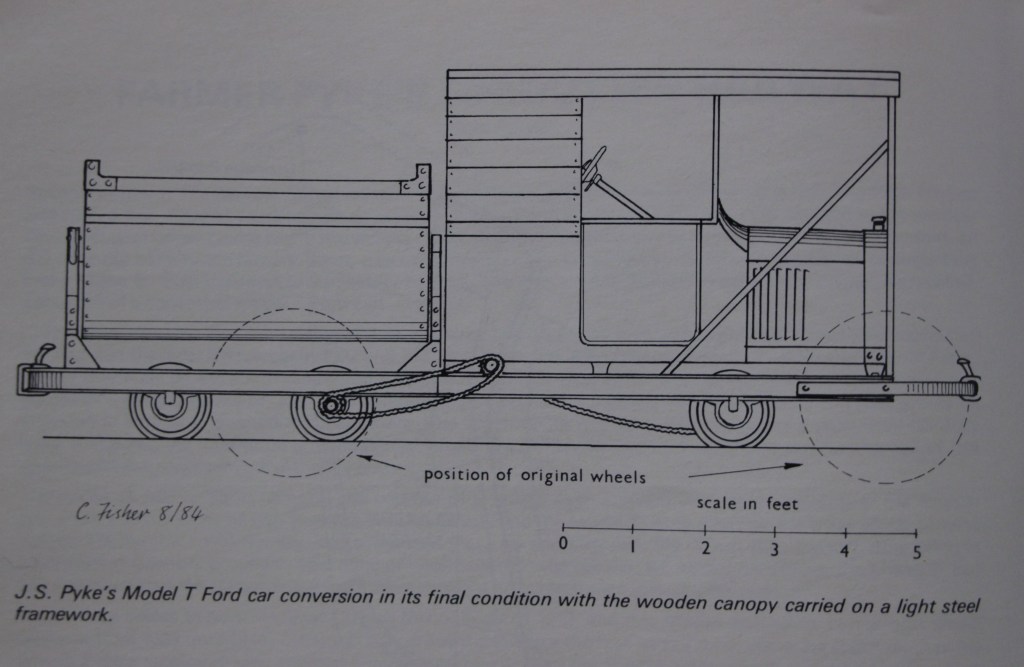
Pyke’s locomotive. An imposing beast – 8ft wheelbase & solid canopy.

Now – I won’t lie. I LOVE this. The ingenuity of it, the exposed chain drive to both axles, its all… well it’s excellent! Just imagine the noise!!

The loco is described as being ‘black and sort of rusty’ – with a spare engine being kept in reserve at the farm and readily swapped when overhaul was required.

Sadly – by 1936, despite an extension right upto Staines Barns, it was clear that the improved road network was causing both the wherries and the railway to sweat. Initially to cross the road, a simple solution was to bolt in the track piece across the roadway ‘as & when’…

As the local authority surfaced the road through Claxton – this makeshift crossing was frowned upon. Not to be deterred – the rails were brought VERY close to the edge of the road, and splayed slightly either side.

The entire train, loco & 10 loaded wagons then ‘lumped’ off the track, and drove across the road surface itself before re-railing itself on the opposite side!!

I have only one photograph of the loco working – on a Whit Monday holiday, circa 1928;
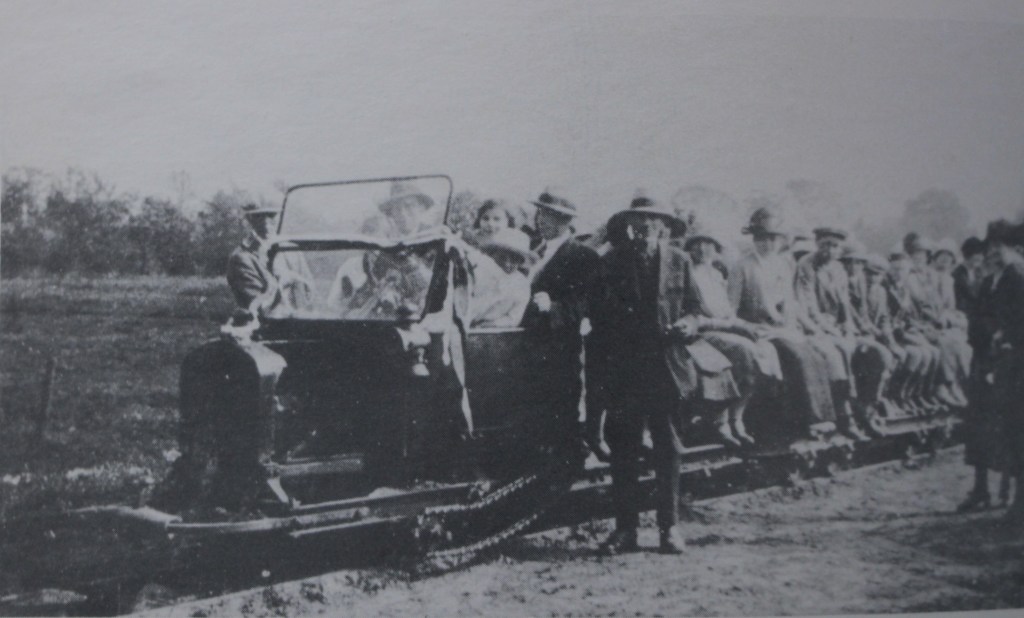
Driver Billy Mason at the wheel – circa 1928 with a unusual looking crop of Beet!!

But yes – by 1936, the writing was on the wall. Sadly the railway was no longer needed. Farmer Pyke’s cunning wasn’t done yet. He managed to sell the entire railway to the Ouse Catchment Board, for use in Cambridgeshire.

Quite what they’d do with a ‘sort of black & rusty’ loco I don’t know… (cherish it I hope!)
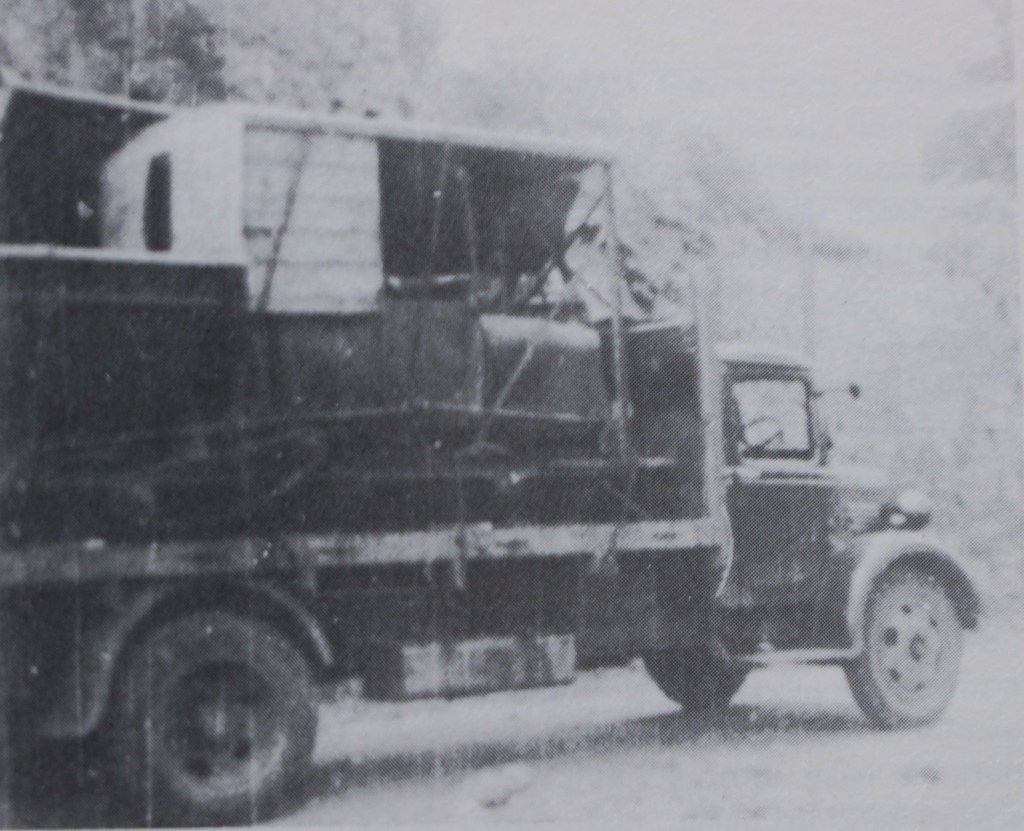
1936 – final journey for the loco.

In 2005 – I witnessed the conversion of Staines Barns into housing, and saw several lengths of rail removed from the concrete, the last fragments of the line. Today nothing really remains, hence – the forgotten railway.

Anyway – yes. I wanted to write this, as demonstration of my statement about looking and understanding the subtleties of the Broads landscape. What’s hidden away is usually interesting.

I’m lucky enough to love where I live.

Next time, I promise I’ll write more about the boat… (!)
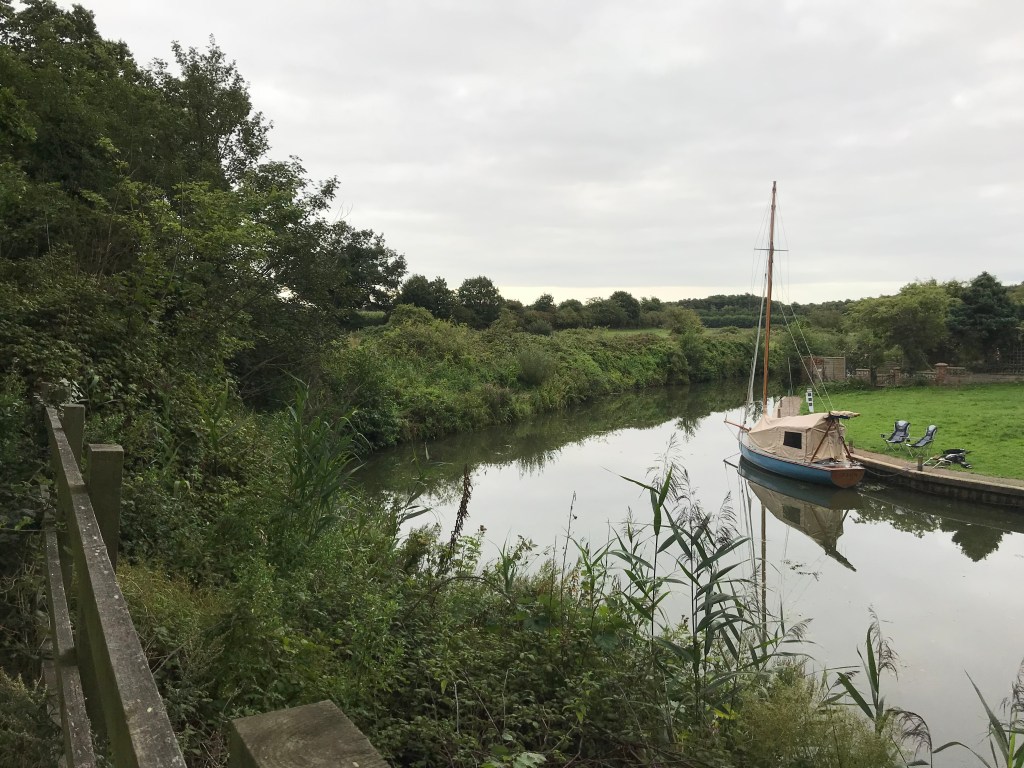
2009 – relaunch & my first YSC race.

Sorry – the delay in writing has been for the best reasons. I have been out sailing, a very enjoyable 4 day cruise to the head of navigation at Dilham.

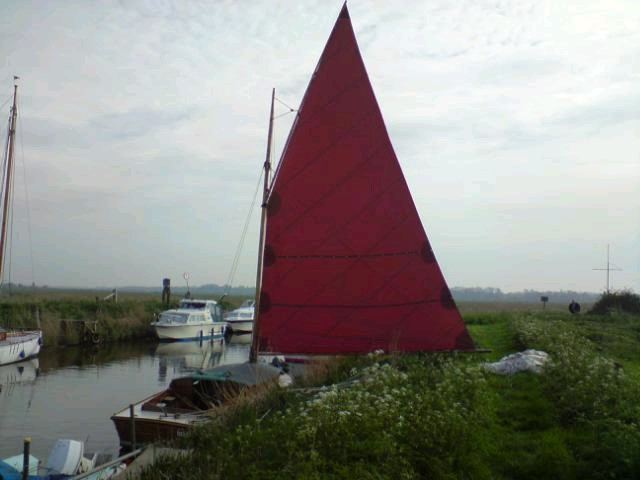
‘Corsair’ at Dilham.

I’m always struck by how different the landscape is on the Broads when I go to Dilham, you are in gently undulating North Norfolk country-side, in a genuine canal setting. Very different from the rest of the rivers.

If you are lucky enough to sail on the Broads, do take yourself to the extremities in the navigation. You’ll see tremendous scenery. Moor at Horsey, and you look on at the Dunes of the North Sea, the next day you can be in a canal basin, and the day after on a huge tidal lagoon (as was) faced with a Roman Fort looking down on you.

One day I hope the North Walsham & Dilham canal trust https://www.facebook.com/NWDCT/ achieve their goal of connecting the canal back to the system.

The canal itself, was authorised by parliament in 1812. Unfortunately it was finally abandoned in 1934. Don’t think the canal wasn’t useful though. In 1898 – 6,386 tons was received at wharves on the canal and shipped away. The wherries on the canal carried about 15-20 tons… So that’s nearly 319 wherry loads in a year!!

The last wherry to navigate it was the ‘Ella’. And in tribute, the canal trust have recently launched Ella II – a launch which will take you on the re-watered sections of the canal.

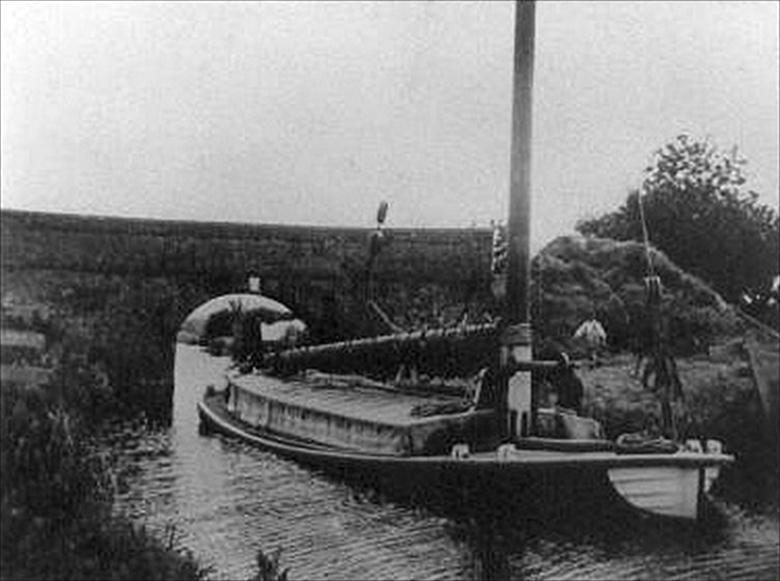
Wherry at Swaffield Bridge – NW & D canal

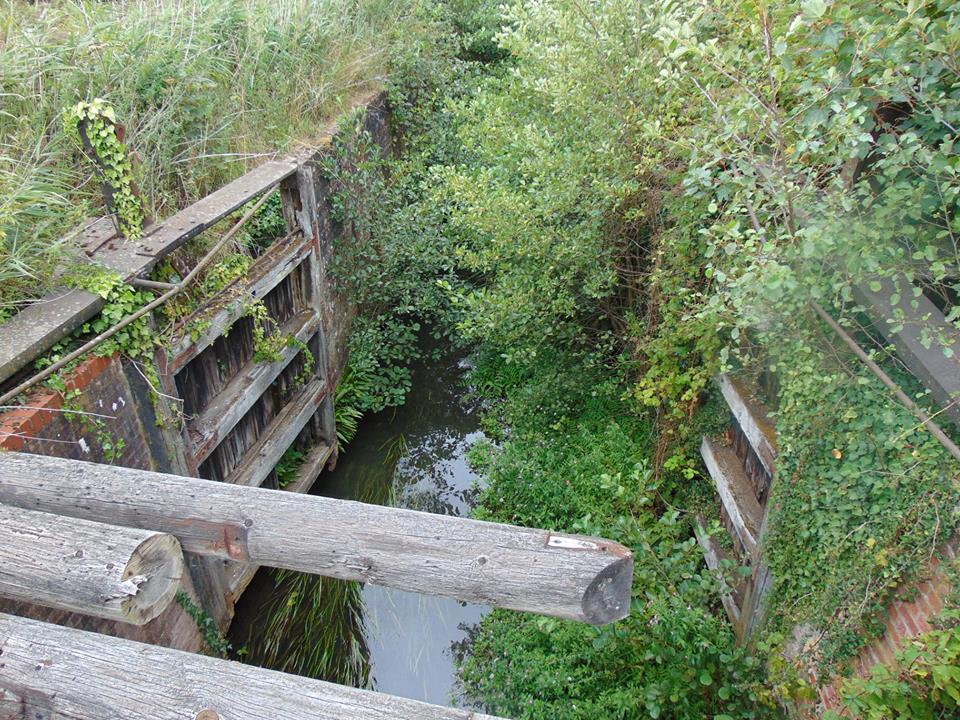
In its heyday, the canal boasted a small fleet of these very pretty, small wherries. About 2/3 the size of a typical trading wherry, sadly none have survived. If you visit the canal these days, well it’s very eery – dereliction has left pieces of it beautifully stagnant, like the lock chamber at Honing, just waiting.

Honing Lock

Anyway. I digress. But it’s worth going to look at the canal, if you ever get the chance. Running alongside it is the trackbed of the Midland & Great Northern Railway, the Stalham – North Walsham section of their network.

Such direct competition no doubt proved to be the undoing of the canal. But again, the old railway has been left in splendid isolation, and is full of hidden relics as you walk the trackbed.

Back in 2009, I was in the final throes of preparing ‘Corsair’ for launching. This would be my first run at it ‘solo’, I was nervous. Throughout the winter I’d done what I thought was best. I’d applied a liberal amount of Dulux gloss on the hull, and one whole tin of Screwfix ‘no nonsense’ yacht varnish on the toerails (! – horrible stuff). I was set!

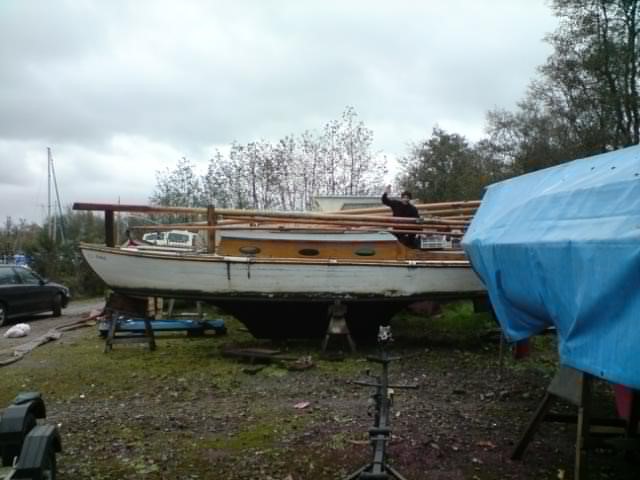
Barton Turf – January 2009 – ‘Corsair’ is hidden behind S/N242 ‘Freedom’. Luxurious conditions!!

Or so I thought. ‘Corsair’ was launched on the allotted day, and surprisingly the ancient and defunct car battery worked adequately to keep the bilge pump humming and she floated (mostly) after a few hours. Eager to sail this year, I had aimed for an Easter weekend launch.

After work, there I was… Heave-ho, hauling away on the heel rope there was the usual strain as the mast rises the first few feet. Then a shroud snagged (cabin roof corner, the usual spot). I made fast, and then walked aft to un-snag.

CRUNCH.

Bollocks. As I had walked down the sidedeck, the mast had swayed about, not being fully in the tabernacle, it was free to pivot. The snagged shroud was snatching, arresting this oscillation. The crosstrees fell victim to this, and neatly folded themselves either side of the mast, snapped cleanly in half

Bollocks, bollocks, bollocks! I was filled with despair, then anger. I’d worked, I’d slaved! I’d gone hungry, through sodding winter. I’d dug a trench! All for this bloody boat, and now this!! Feeling very dejected, I lowered the mast, removed the detritus and left.

I’d planned a weekend away on the boat, what would I do? After a couple of hours, I realised that I wasn’t going to be bloody beaten by this bloody boat.

I eyed up an unsuspecting refectory-style Oak table…

Once again the conservatory was functioning as a workshop quite late into the night, and my housemate quietly despaired. It could have been noisy desperation in all honesty. I couldn’t hear above the noise of my jig-saw.

By midnight I had crosstrees again. They were rough – but they’d do! I was able to re-rig ‘Corsair’ the following day, and returned to Oby Dyke. Bizarrely, S/N 242 ‘Freedom’ who had acquired my old bowsprit, also picked up the second hand rig off ‘Clipper I’ – which suited her nicely. Whatever echelon of yachting I was in, it definitely was the ‘grass roots’ end of things!! We all loved wooden boats, just necessarily didn’t have the finance to keep them.

S/N242 – ‘Freedom’ at Oby, with Corsair’s bowsprit, and Clipper’s mainsail.

Remnants of the French-Polish stayed on those cross-trees for YEARS afterwards. They survive to this day, and somewhere the remains of that table lurk in the workshop.

Having overcome this difficulty, and starting to realise that wooden boats are tricky things I decided to venture south onto the Waveney in May 2009 – for my first Yare Sailing Club race, the Ray Perryman memorial passage race. This runs from Somerleyton to Beccles each year. It also would be my first navigation through Yarmouth with ‘Corsair’.

I survived Great Yarmouth, which is always tricky to get the tidal gate correct, and even arrived at Somerleyton in time for a few drinks at the Dukes Head before last orders.

The trouble with rushing to the pub of course is that when you come back to the boat, you’re too drunk to raise the cabin roof, or put the awning on. Something which you need to remember at 4am when you get up to pee… That cabin roof is solid, and low!!

The course of the Perryman race takes you upstream from Somerleyton, starting adjacent to the railway bridge. Smart thinking is to get course-side of the bridge before the thing shuts and traps you the wrong side!! Every year the fleet gets split pre-start, to the great amusement of those who are the correct side…

The fleet, divided!!

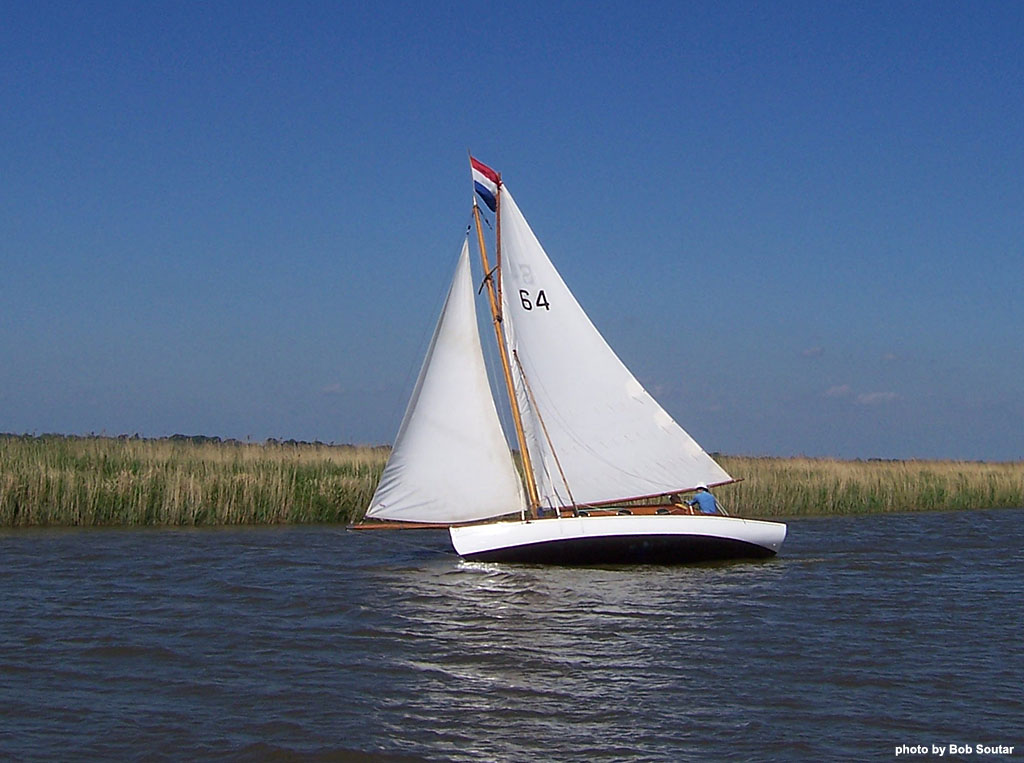
I did provide some amusement pre-start, as my flag of choice is, somewhat oversize!

Big flags. ‘That’ bridge in the background…

The race itself suits me, its a passage race, and presents as a mixed bag. You start in the open marshes with clear air, and a wide river. Soon after Burgh St. Peter and its unique church, you find yourself in a very pretty albeit tree-lined river. That’s when you use the tide, and every last puff of air to your advantage. The last section (2 miles ish) from Aldeby to Boaters Hill is very tricky, you need every bit of momentum to keep going!

‘Corsair’ didn’t set a world record, I believe she placed 7th out of 9th entries. We did start a mere 19 seconds after the gun, which I thought wasn’t too bad. These days if I’m much over 5 seconds off, I chastise myself!

However, we completed the course and nothing was broken. Success! We tussled throughout with a much larger, and heavier yacht S/N 149 ‘Stella Genesta’. I think we finished only 24 seconds apart after an 8 mile race. She is a beauty, and is credited with being sailed to Holland sometime in the pre-war years. A fine craft, but I’m not sure I’d take her across to Flushing!

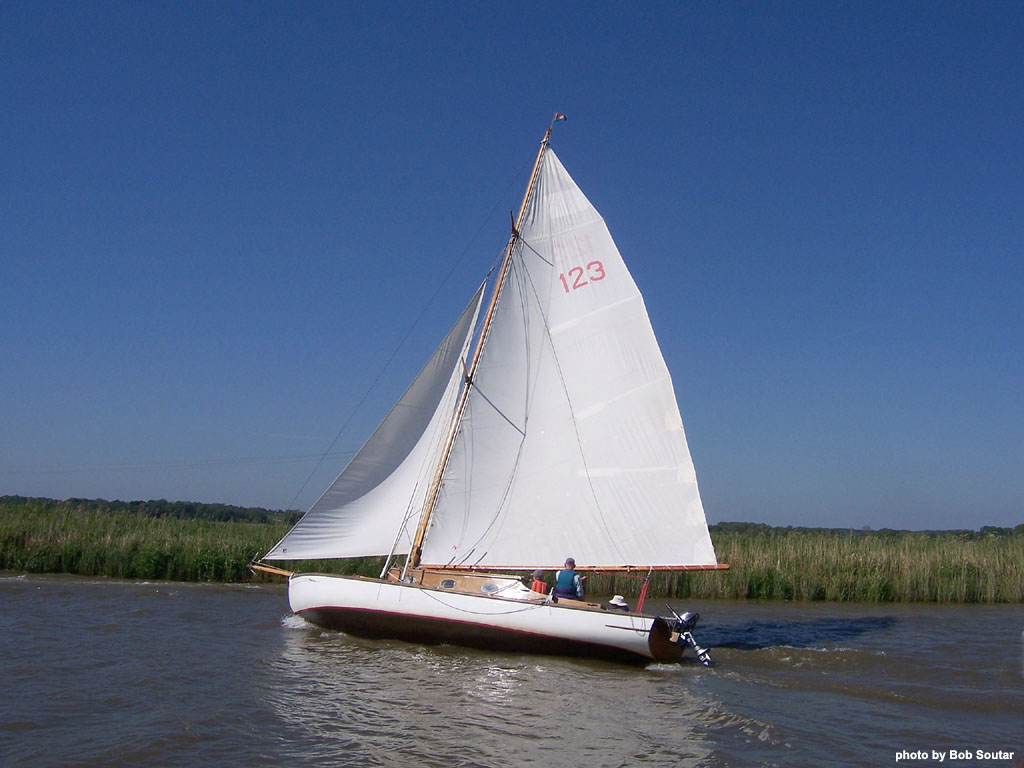
Line honours that year went to S/N 123 ‘Puck’, an ex Fine Lady from Herbert Woods. Albeit with a much more adventurous rig than her days in hire!

We celebrated the next day by sailing in company to Geldeston – another part of the rivers where you are faced with derelict lock chambers…. I wonder if it’s a condition??

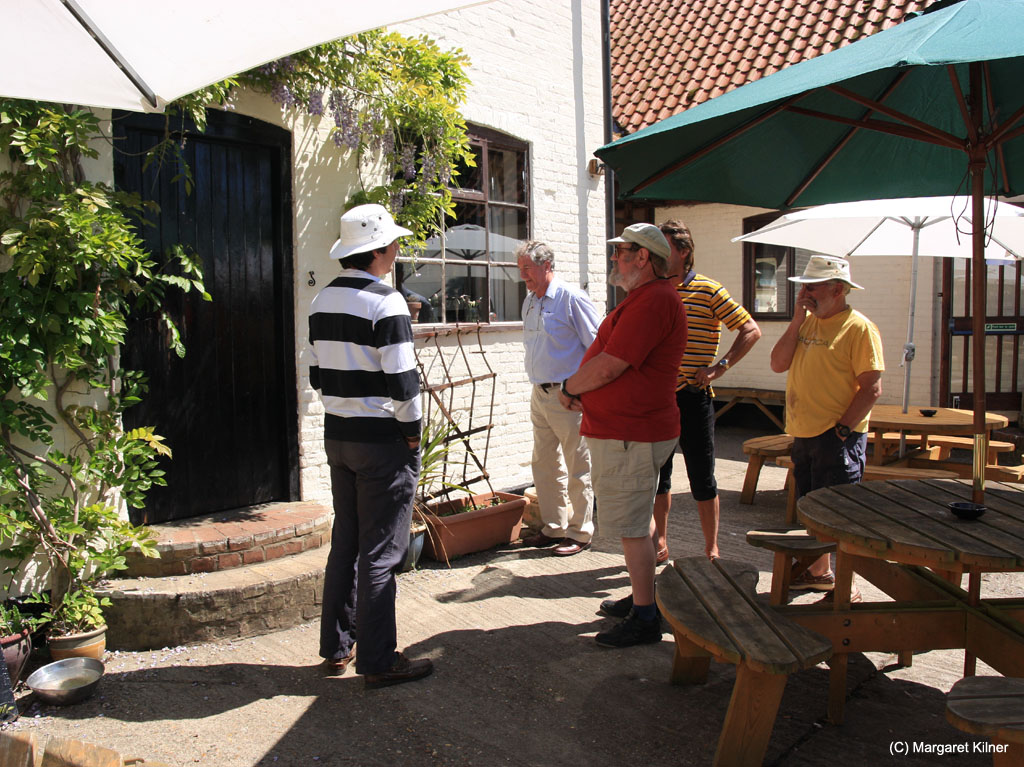
Anyway – I’ll finish with some photographs of that weekend. Halcyon days again, after a somewhat frustrating winter.

The next prominent sailing event of 2009 of course, would be our annual sailing holiday! We’d already done it once on ‘Corsair’, what could go wrong!?

Cruise 2008 – Days 4 & 5

Day 4.

Ouch. Today was a painful start. An inadvisable quantity of beer at the ‘Fur & Feathers’ and the existing head injury made me jaded. I was not alone – the crew made similar noises… but we couldn’t remember the Morris Dancers, so win some, lose some!

As a priority, we quanted out of our mooring spot, to escape what was possibly the most noisy inboard engine in the world! (Curse those hire-boats, which run engines incessantly for hot showers in the morning).

We motored ‘briskly’ to Wroxham, and resorted to ‘hair of the dog’ on the way, as a restorative. (It was 9:30am!)

Evidently we’d not learnt our lesson, at Wroxham we victualled 24 Strongbow, 1 bottle of red & a bottle of Vodka. We had however nabbed a nifty mooring outside a little coffee shop, and basked in the sun a while…

After some Latte & Teacakes (also restorative) we did set sail in the direction of Ranworth.

This proved the most enjoyable sail of the week thus far. We soared across Wroxham Broad where we saw ‘Chatterbox’ – a gorgeous lugsail dinghy built in 1900, and reputed to be the prototype of the Norfolk ‘Dumpling’ class. We also saw wherries ‘Ardea’ & ‘Solace’. It was starting to feel like a holiday!

The record must also state that at this point, Petty Officer Jalil (and he is Petty!) suffered life-threatening injuries. It was ‘touch and go’ for abit until emergency ice cream was administered. (!)

A whistle-stop tour of Salhouse saw us admiring a Brooke motor launch, ‘Viking’. Very rakish.

As the afternoon progress, the wind dropped, even to the extent that a reef was shaken out, although when sailing through Horning Street the passing showers did force several crew members to retire to the cabin.

Approximately 5 1/2 hours after we left Wroxham, we quanted across Ranworth Broad and moored in pole position (for the Maltsters P.H.) Tomorrow I understand that an expedition to the top of the campanile is planned.

Goodnight.

Day 5.

Ah. Rain. Good, we’d only have 3 days of that so far. We sheltered under the awning waiting for the rain to ease. Presently it did, and we enjoyed a climb to the top of the church tower (St. Helens), admiring both the view and the mobile signal!

Upon our descent, the skipper exercised his judgement and delayed everyone until 11:02am, thus avoiding the deafening from the bells! (clever chap that Skipper).

Tat from the gift shop duly purchased, we had a furry spider and a Fox finger puppet aboard, as we set-sail with full rig for the first time 5 days sailing! A gentle drift was interspersed with a quick spot of lumber-jacking with the gaff on unsuspecting trees, and a whistling competition on South Walsham Broad – to rustle up a breeze.

(It was whistle blowing, but that soon turned very nasty amongst the crew!)

Our day’s sailing finished with a Wagnarian scene, where we sailed through crackling lightening and rumbling thunder.

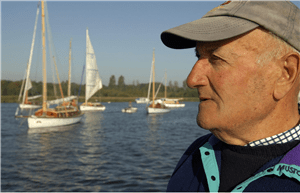
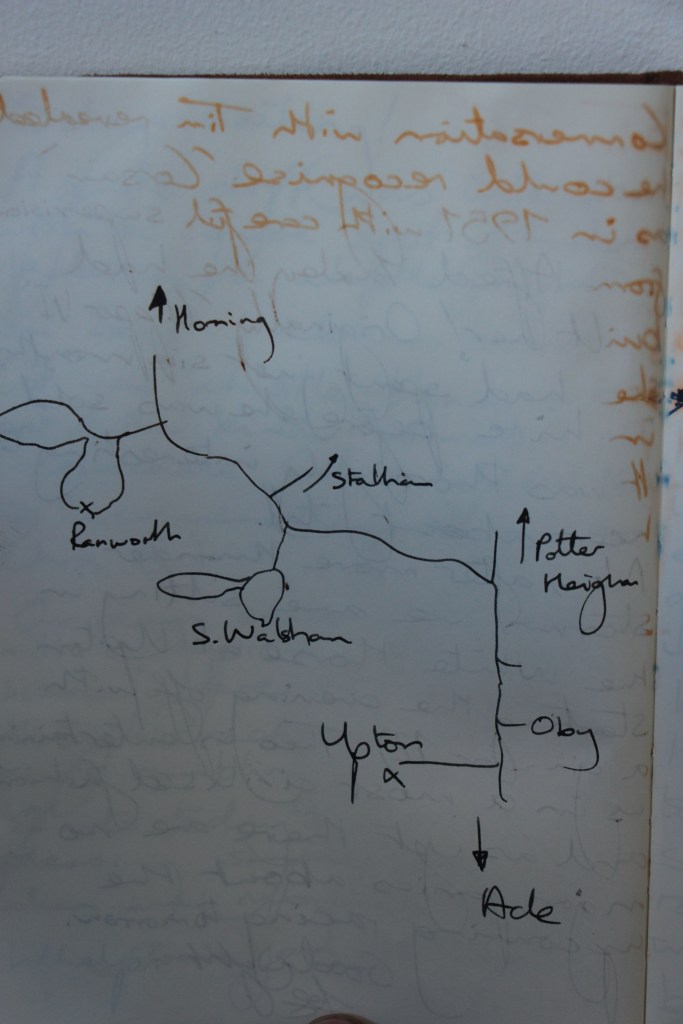
The highlight of the day was without question the surprise we had when we moored opposite Whelpton’s yard at Upton. Conversation with Tim Whelpton revealed that he could recognise ‘Corsair’, as in 1951 with careful supervision from Alfred Yaxley (Chumley & Hawke foreman) – Tim had BUILT HER. I was stood next to the man who’d built my boat.

He even asked me to retrieve a bunk drawer, before upturning it and showing his signature on it, from 1951!!!! It was a humbling experience, and I was stunned at our fortune. We hadn’t planned it, I didn’t know Tim had worked for C&H. Sometimes these things just happen. Wow.

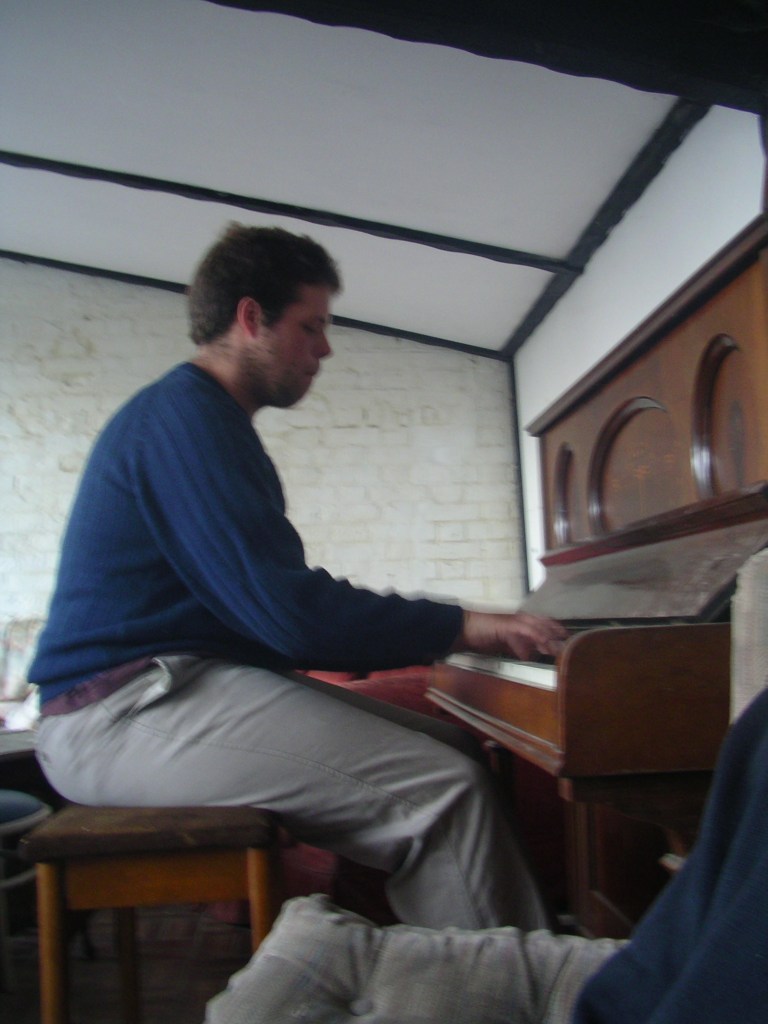
Now, after more Thunder and Lightening – we are sitting in the White Horse at Upton, having started the evening off with a Vodka (or 12) back at the boat (!). Theo has managed to rouse the Pub Piano into life, and is playing Scott Joplin. It lived in a lean-to, had not been tuned in a lifetime and a dozen mute keys. He’s good though.

Theo plays.

As yet, there are no major panics about our planned racing tomorrow at a local regatta.

Goodnight.