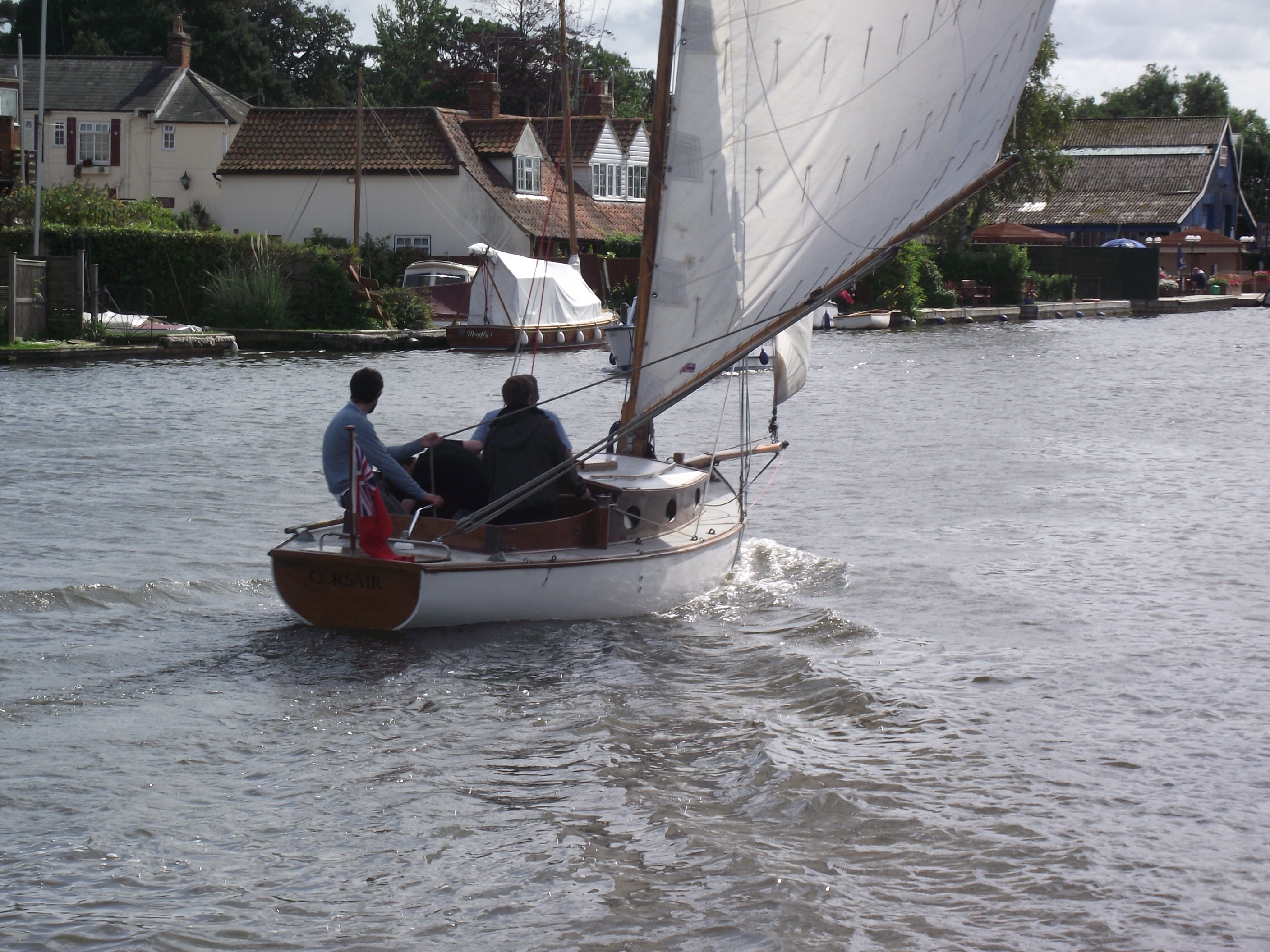
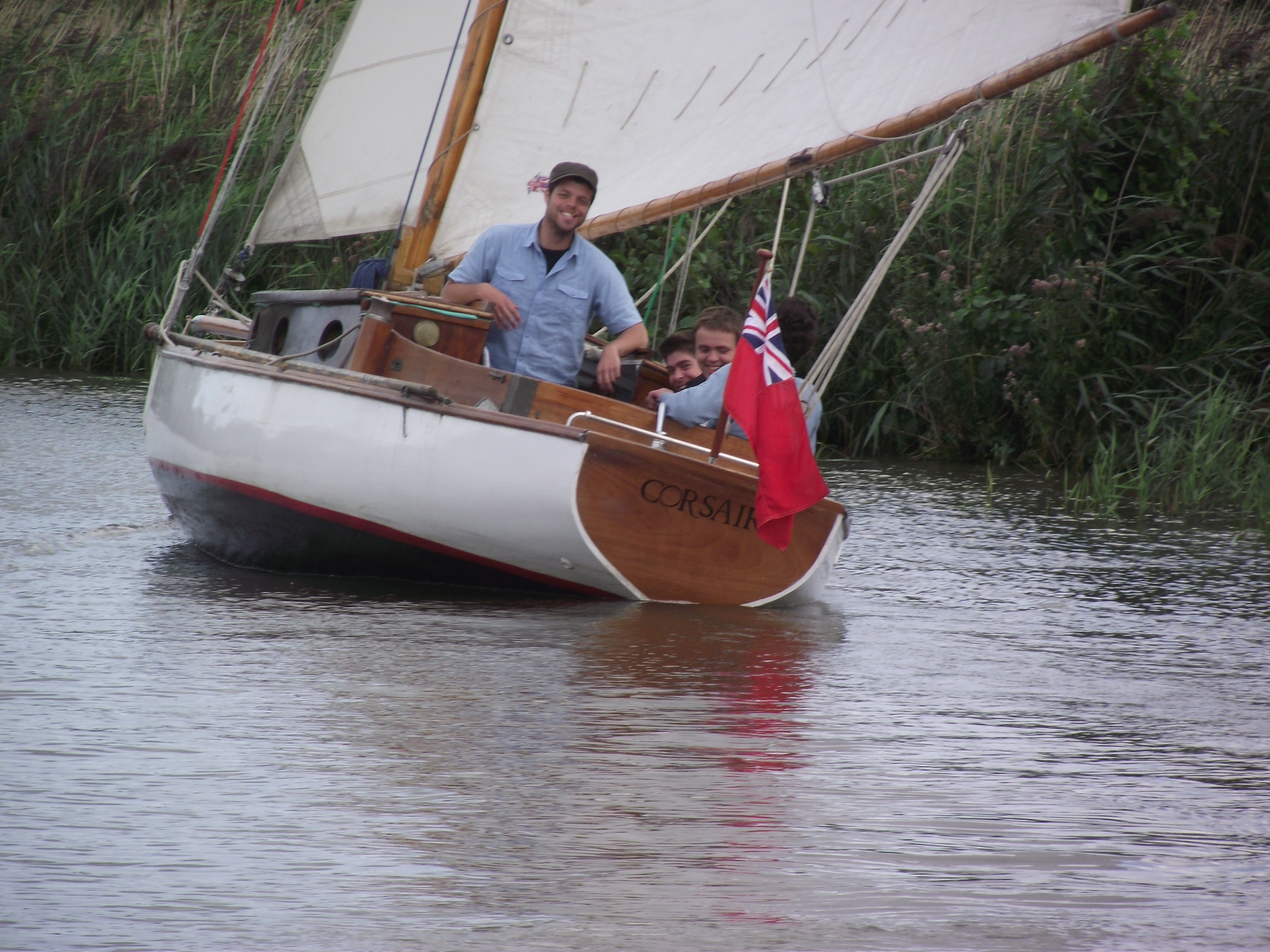
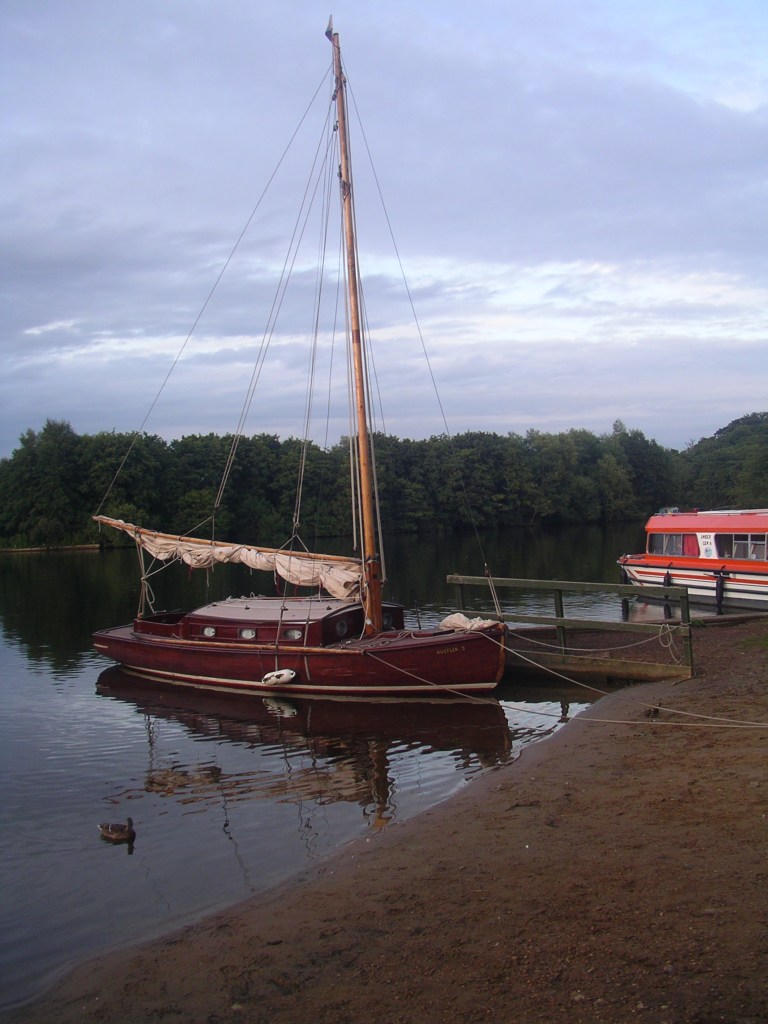
As I’d mentioned, 2011 saw us moving back onto the southern rivers, which arguably are much better for sailing – albeit maybe not as picturesque in some places as the northern rivers. The move for us really was a huge change in terms of sailing & the mooring.
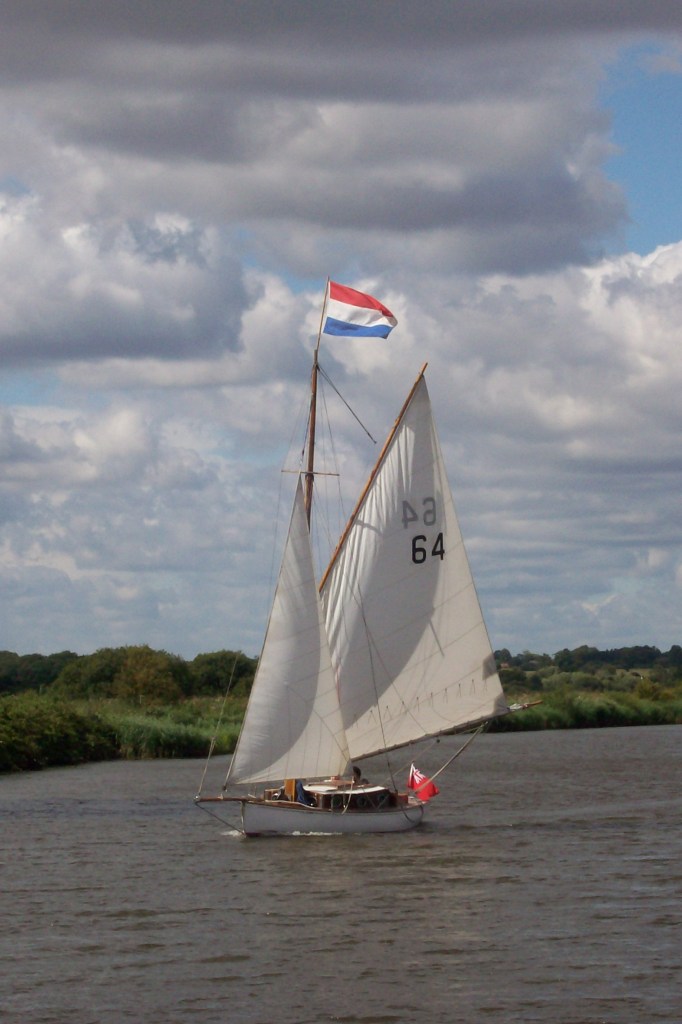
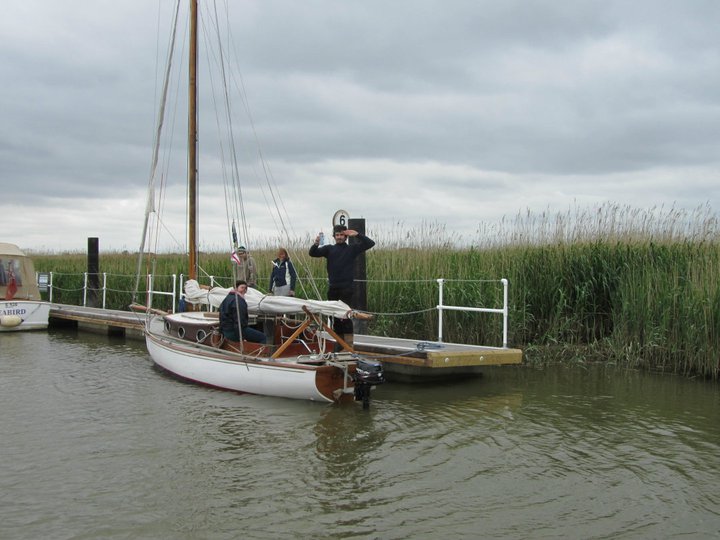
Gone was the ankle soaking trudge through long grass, the tentative step to find the edge of the rond before stepping aboard, the wrist-popping strain of pushing a wheelbarrow to/from ‘Corsair’ at the beginning of each trip. Here, our new mooring was located behind an automated road barrier, we had dedicated rubbish bins, car-parking & all sorts of other modernity! There was however, an abundance of mud – ‘Corsair’ would sit high & dry for +/- 3 of LW.
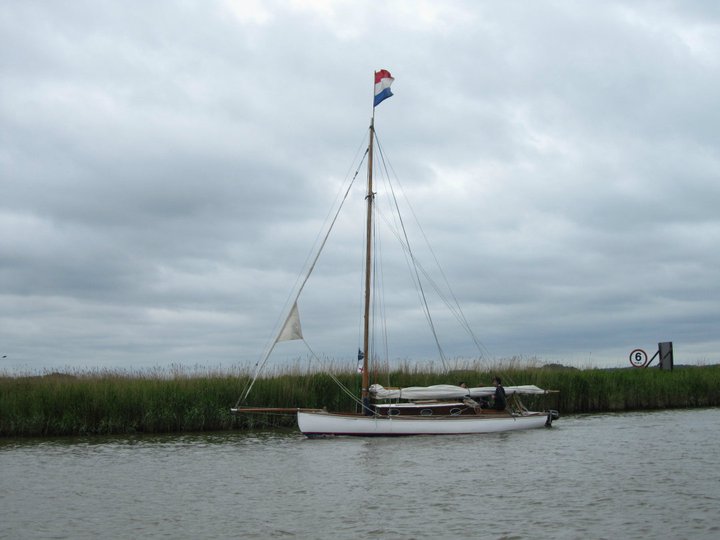
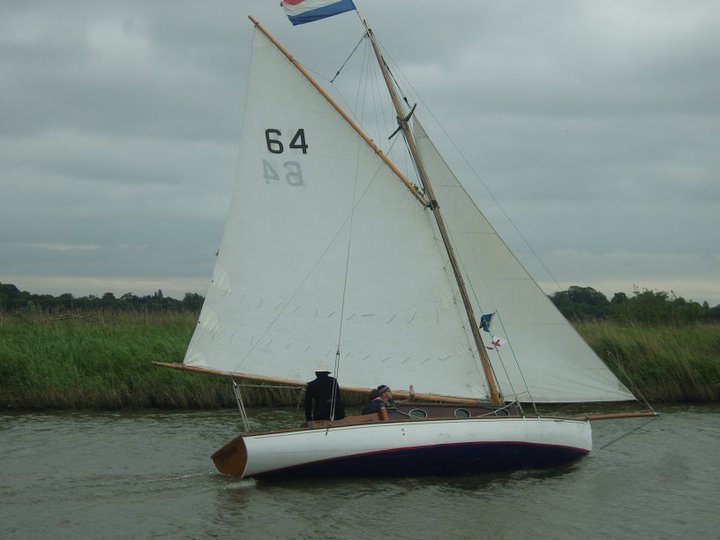
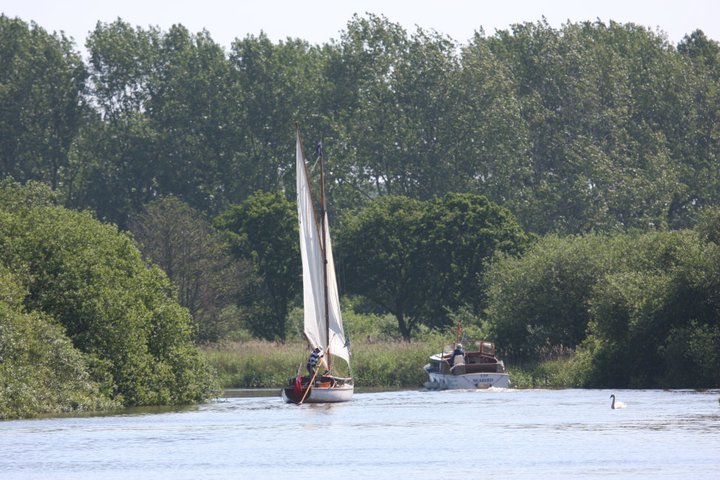
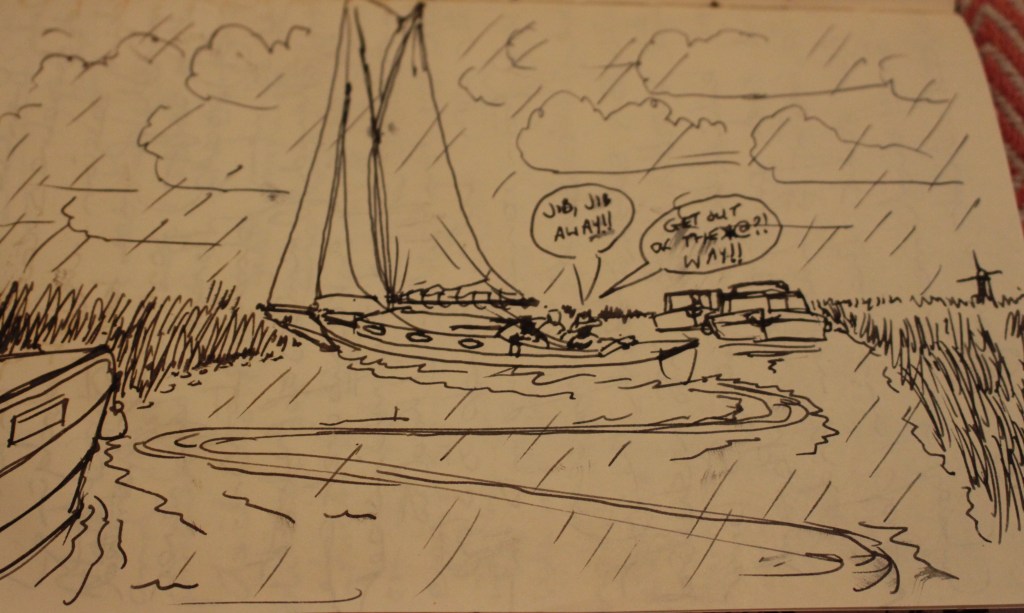
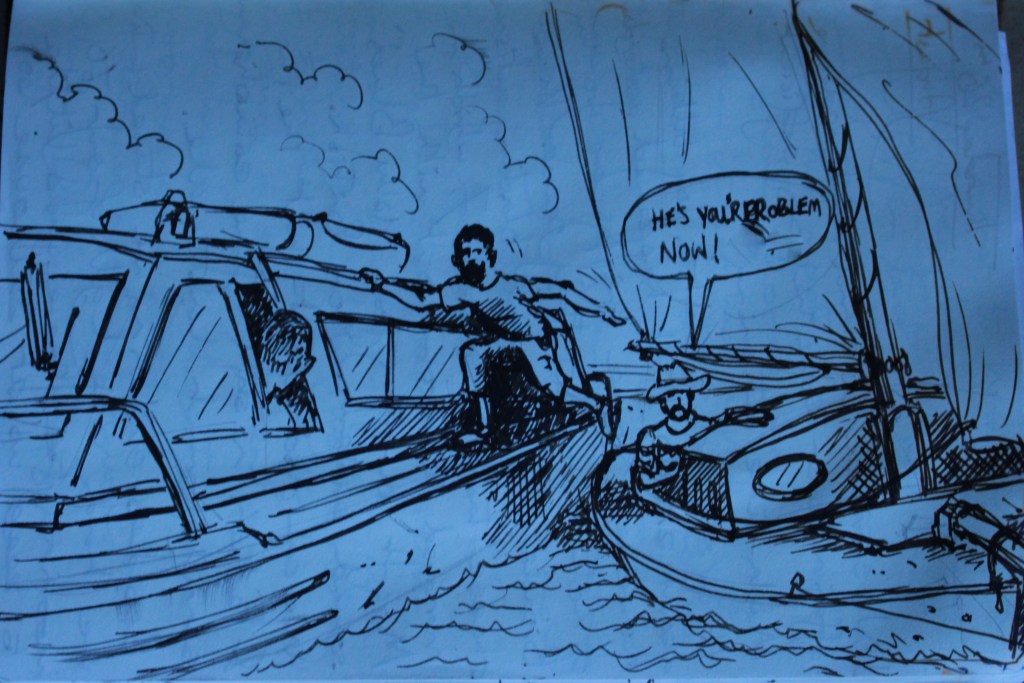
All very ‘new’ as concepts to us, and it took some adjusting to learn how to manoeuvre the old girl in & out of such a tight spot. Frequently, there was abject fear witnessed at the helm of a gin palace as we snuck past them in the dyke under full sail, or treated them to a display of how quickly we could get the sails down (I’m a firm believer in sailing in/out of a mooring & you learn how to stop the boat quickly enough…)
Honestly, it was quite ridiculous – often we’d find ourselves subject to a water-level view of purpled faces, bristling moustaches & violently flare nostrils – accompanied with a tirade of bad language, and that was just the wifes!
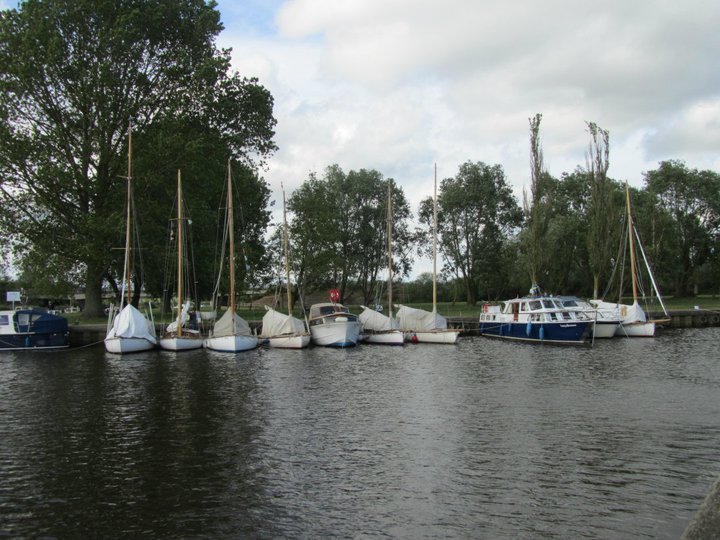
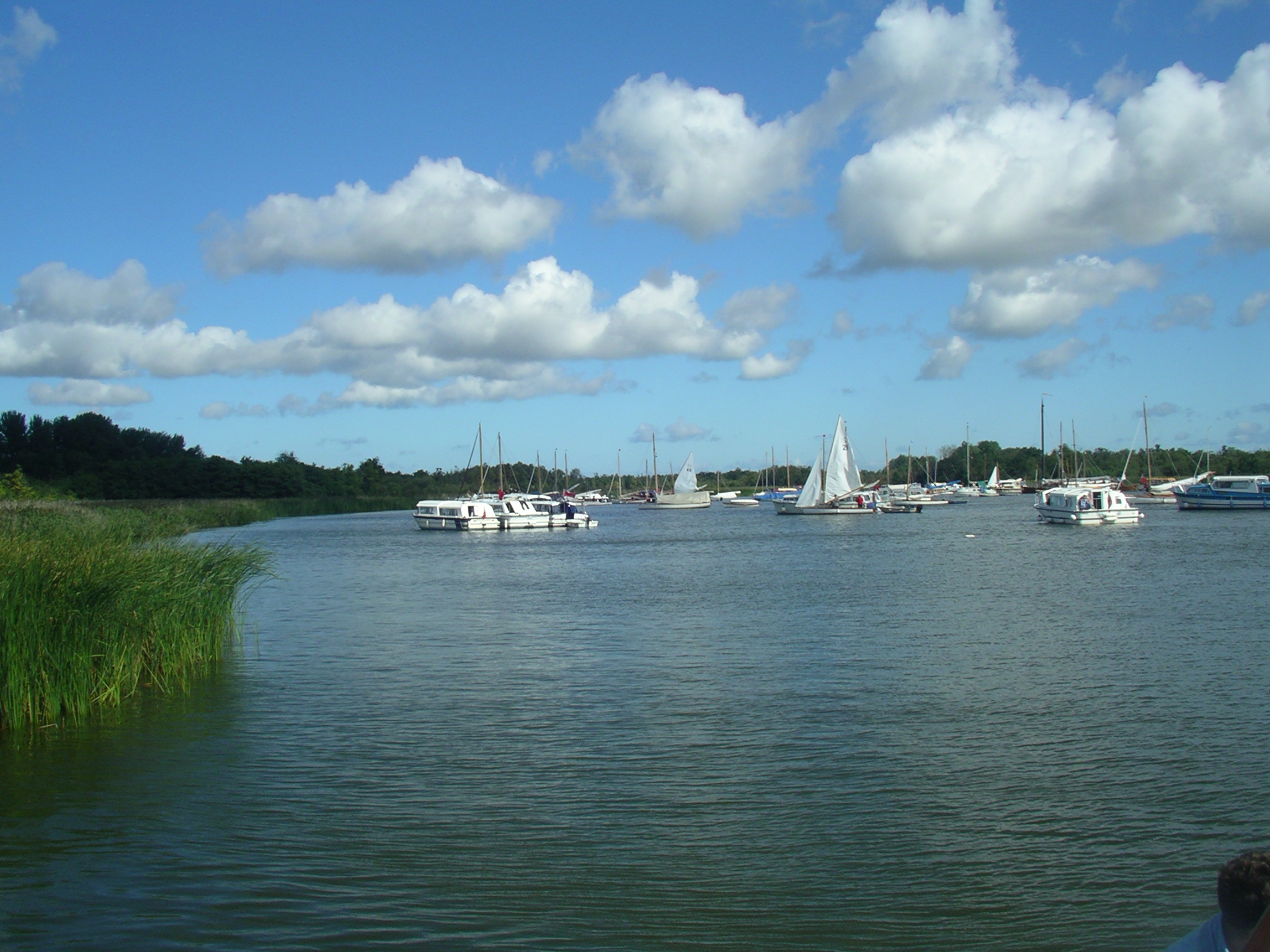
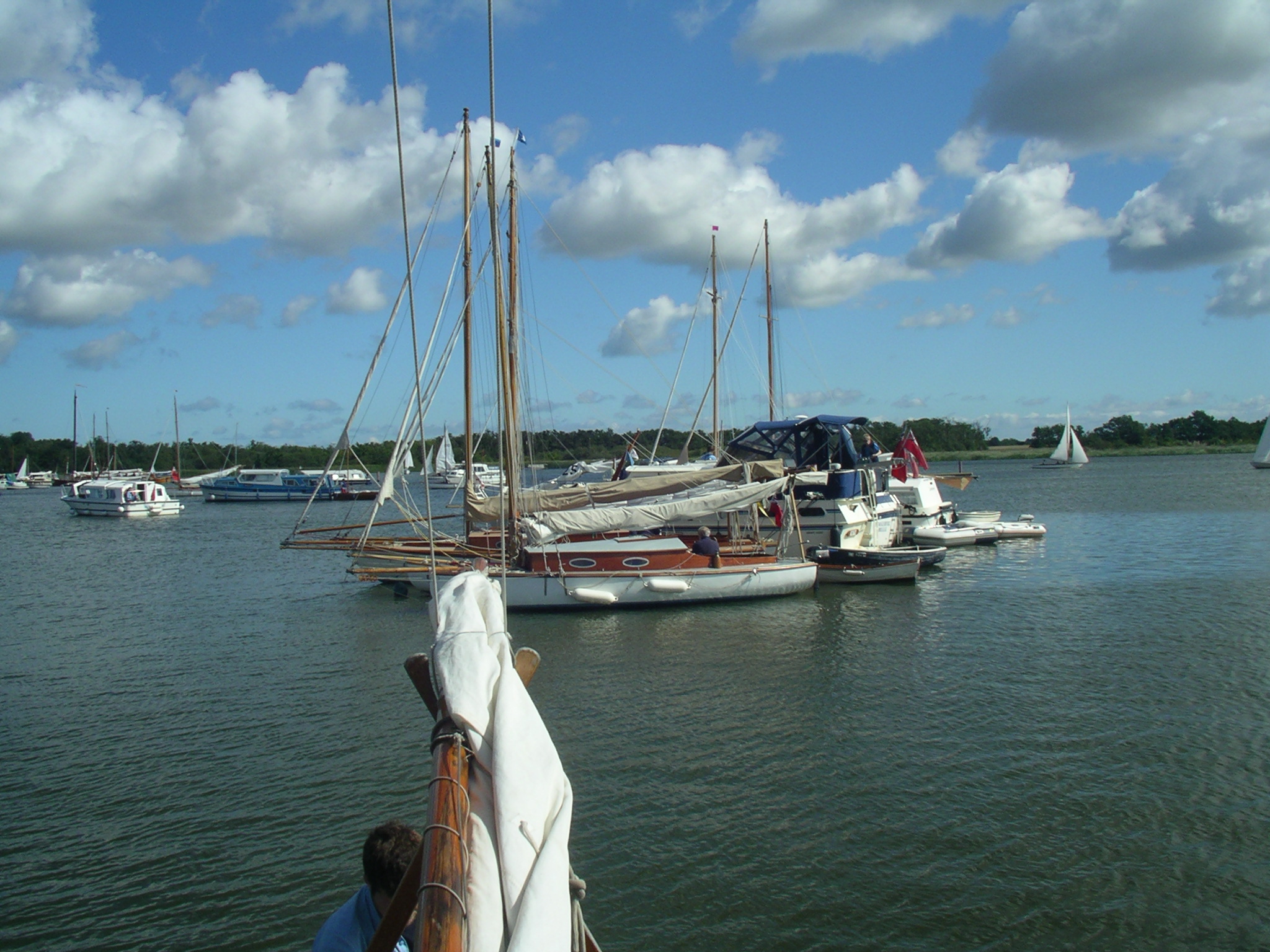
Our mooring was in what’s now a highly developed part of Broadland, with literally 100’s of private vessels moving in/out each week. We were however the only lunatics determined to do that under sail, it upset the natural order of things (perceived) that gin palaces may have to follow the collision regulations, or have to wait for 30 seconds as you pinch out of the entrance trying to get some way on…
The dyke itself is Hobro’s dyke, linked to one of the early dredging contractors – James Hoborough, who utilised many a dead wherry in his work, before abandoning them in the wherry graveyards (more on that later).
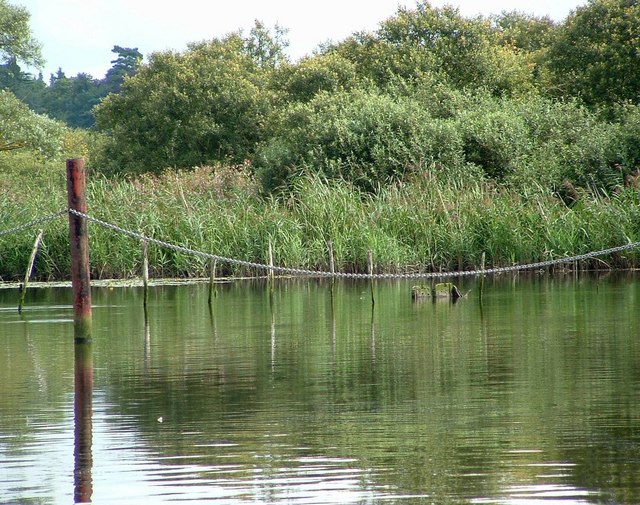
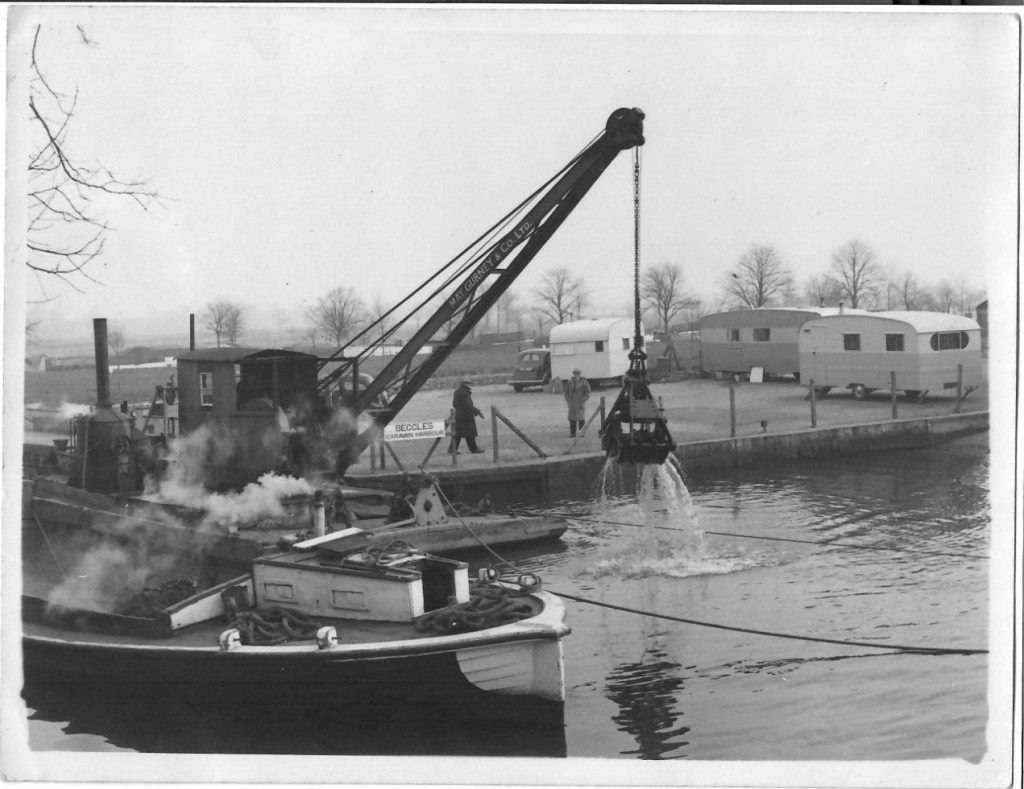
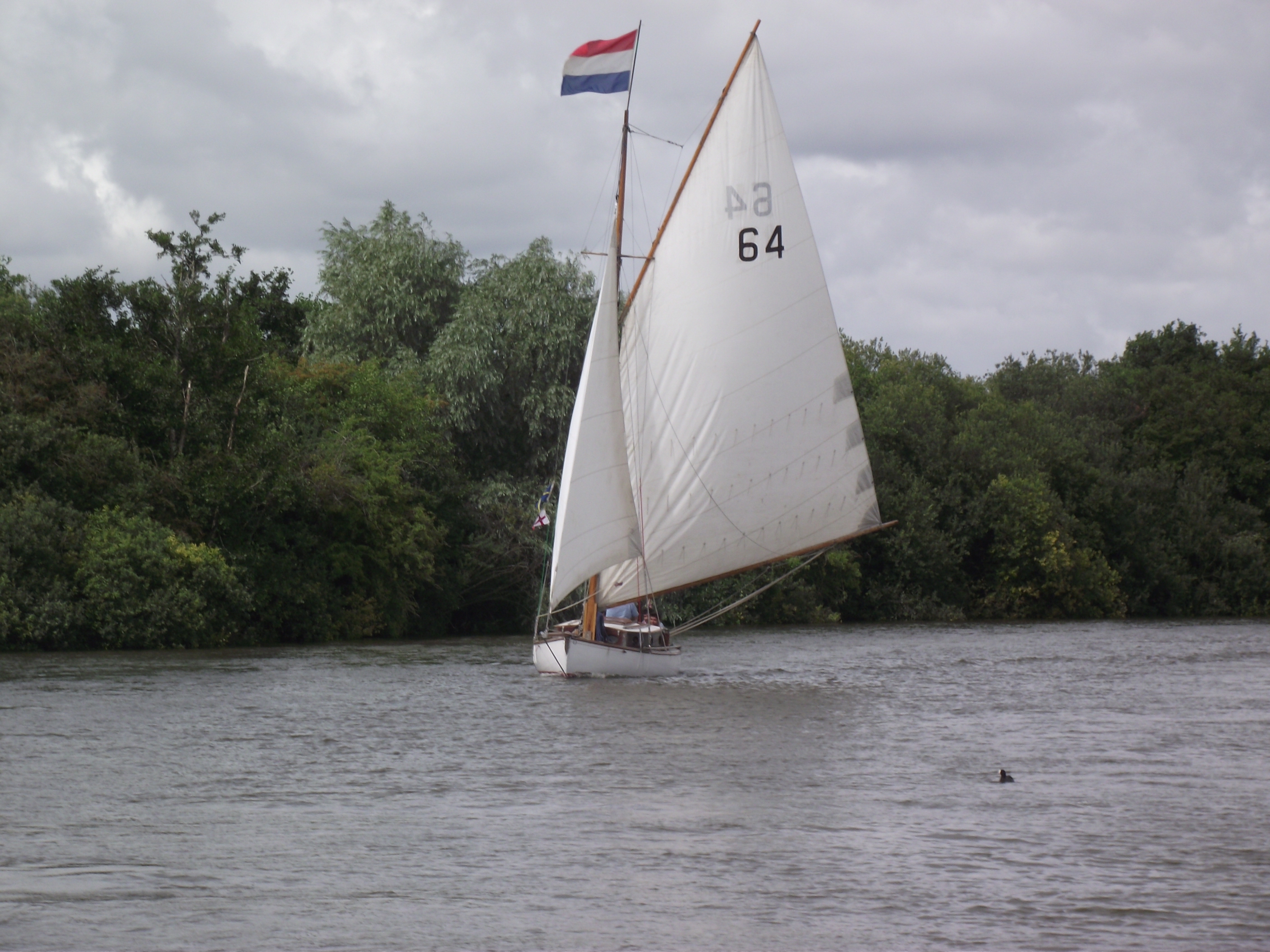
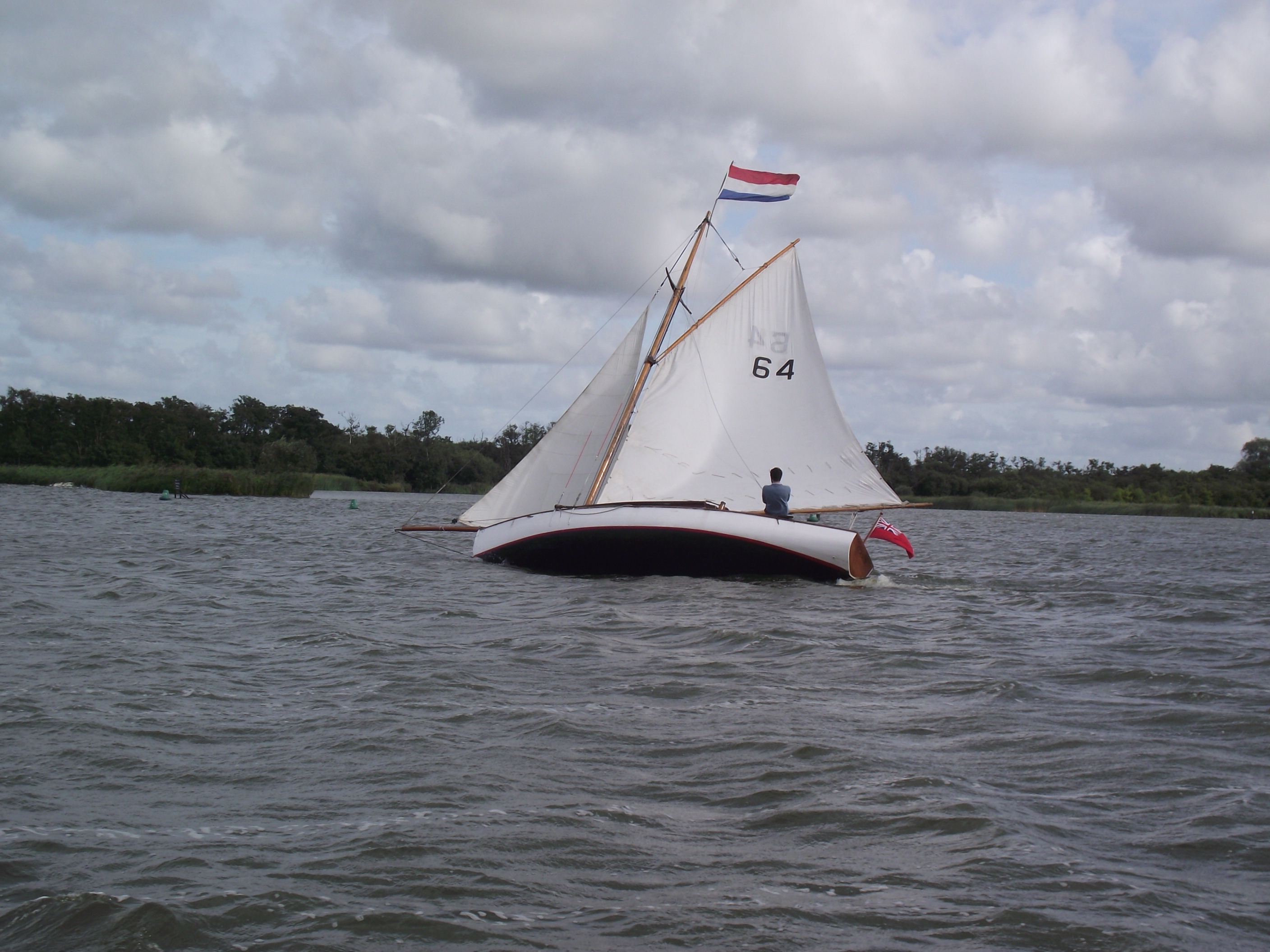
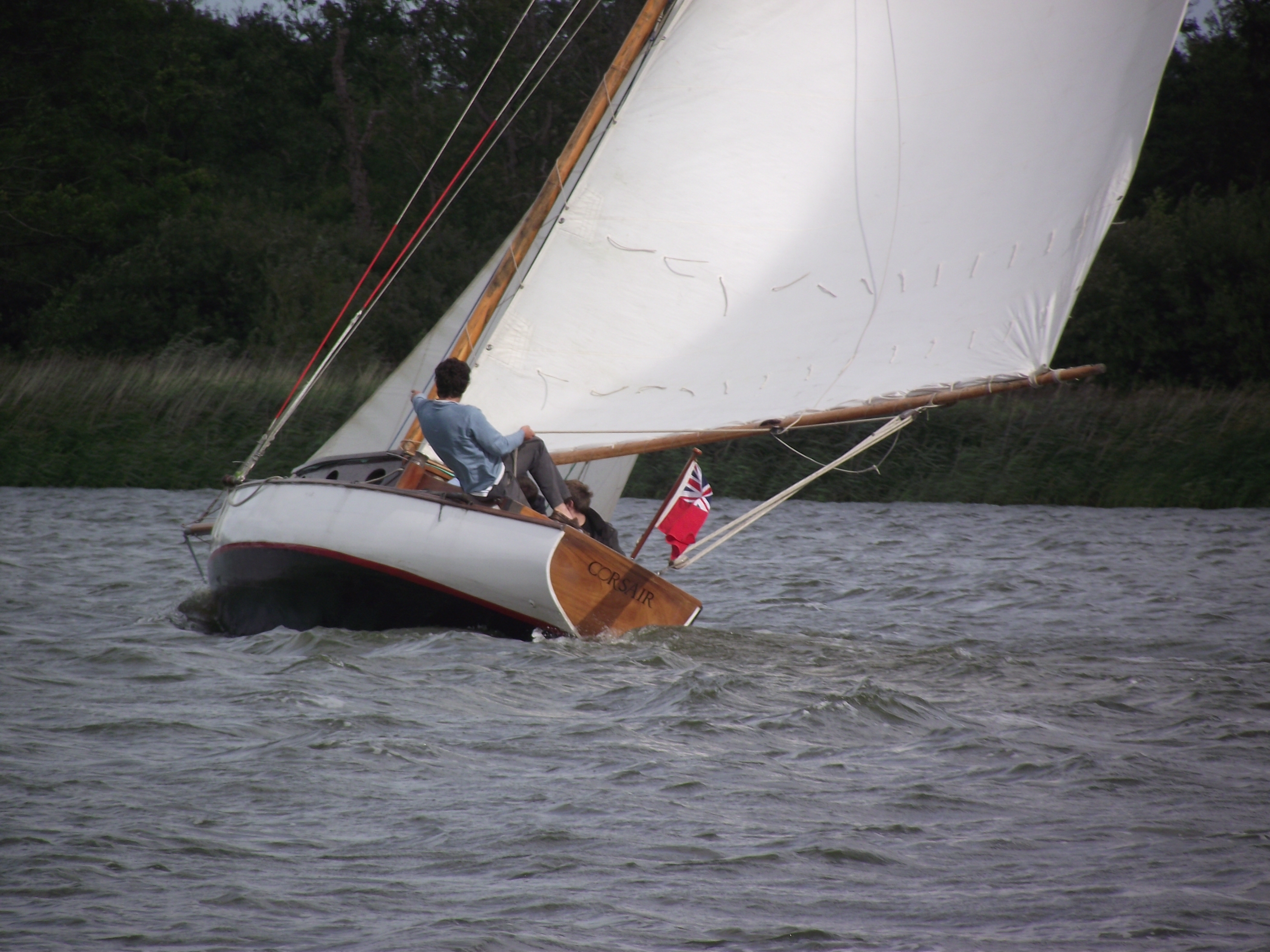
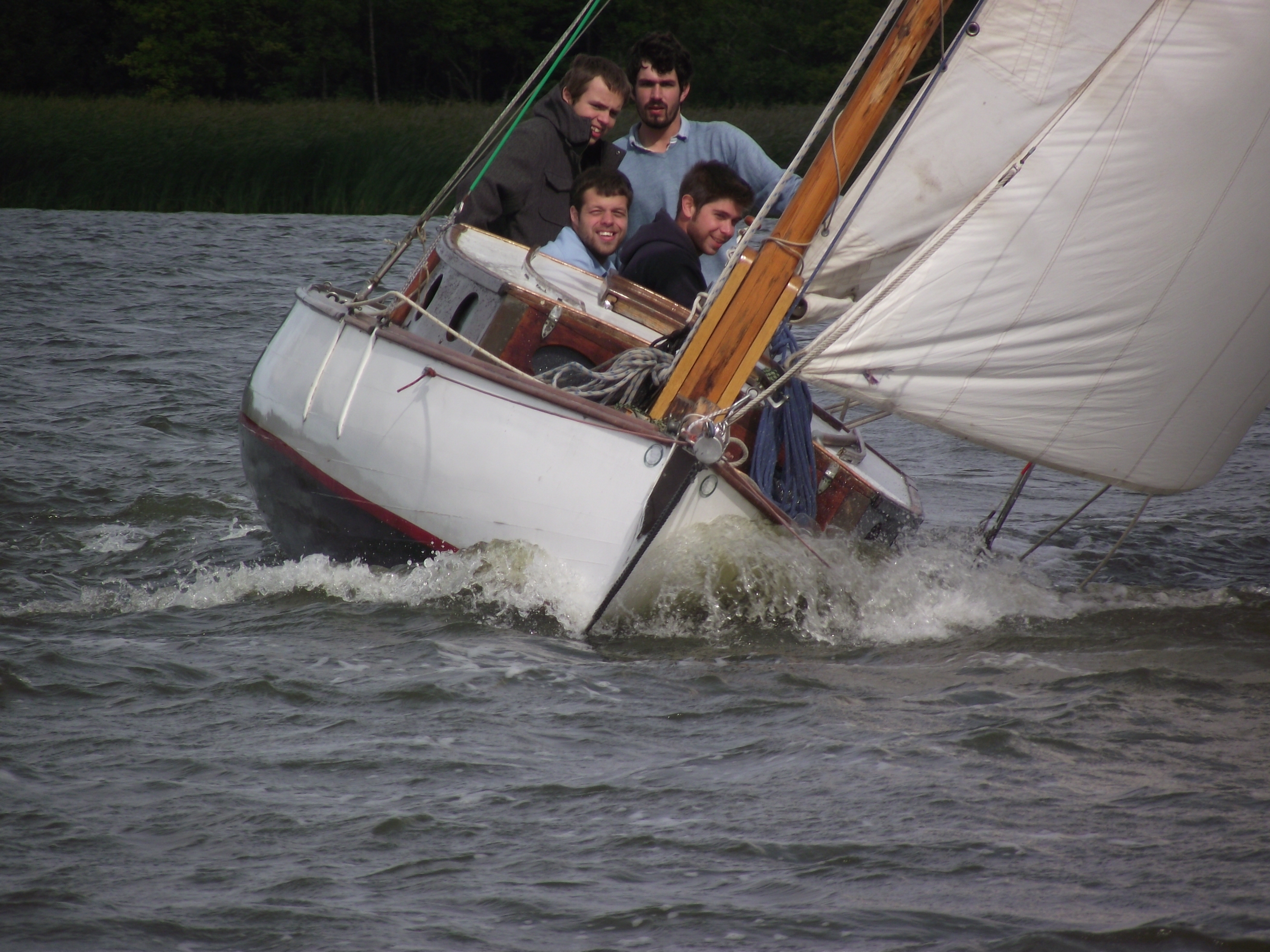
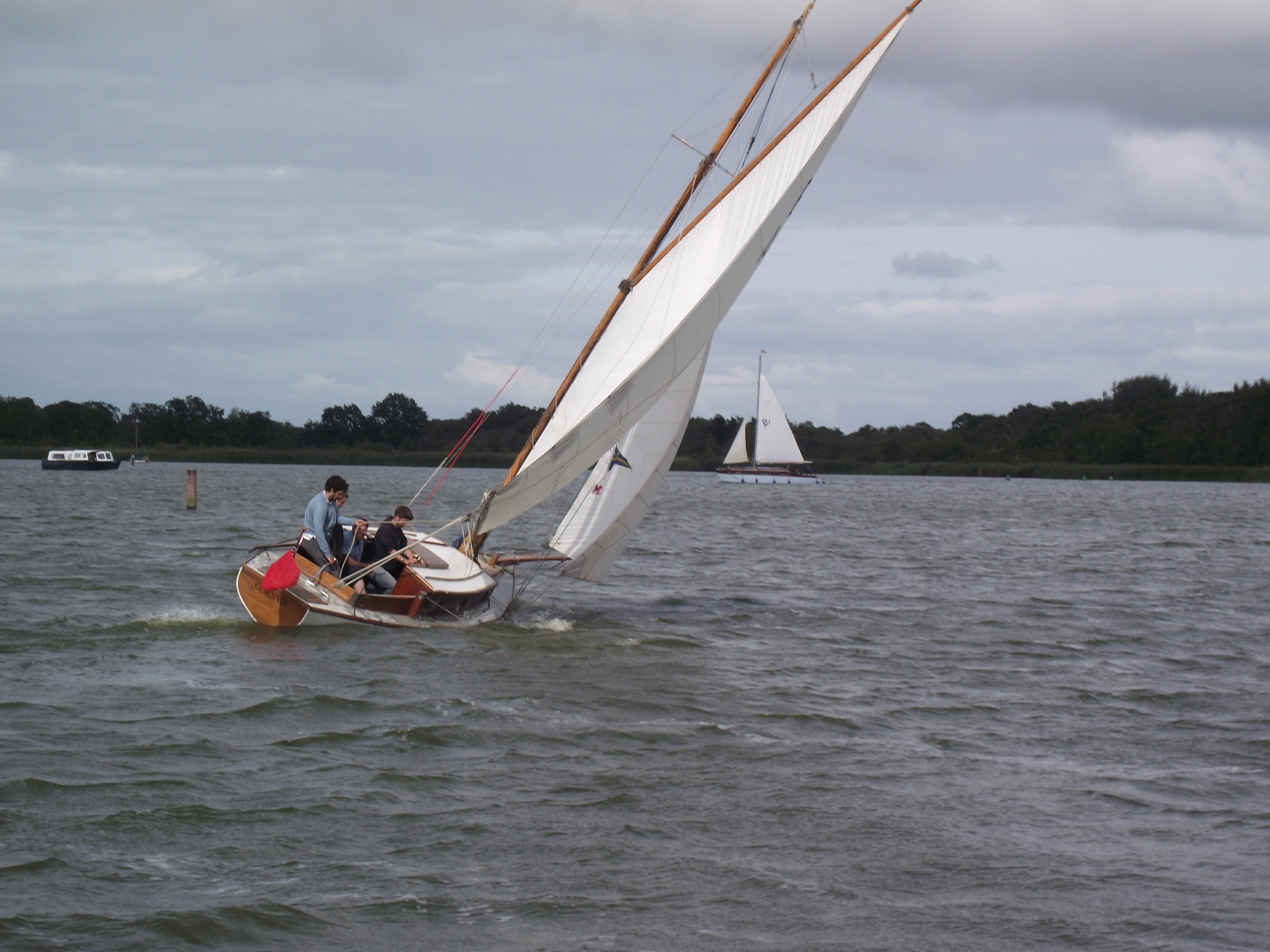
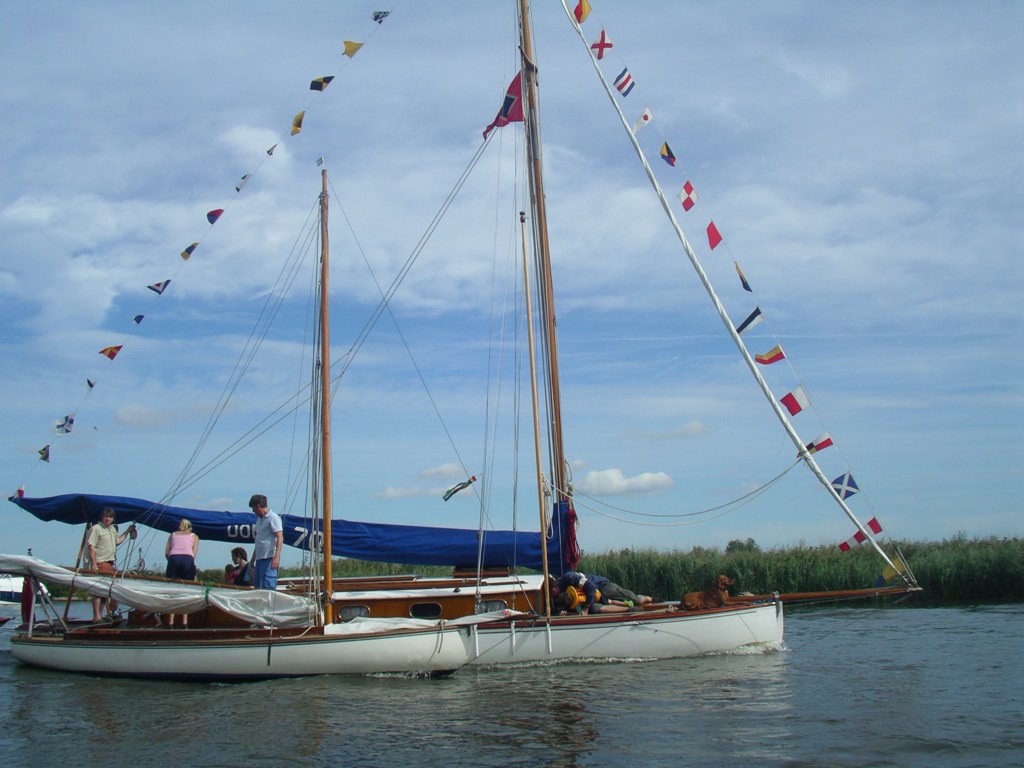
Anyway – we’re here to talk about ‘Corsair’ not dredging or wherry graveyards… Our sailing had changed significantly too, suddenly we found ourselves with a programme of sailing regattas to attend – very different from gentile outings by ourselves. Not that we raced – usually I found myself running a start line or similar – given ‘Corsair’s’ history as an established YSC boat, it was fantastic to be back in the same waters.
Several things stand out from that particular season;
Firstly, ‘Corsair’ decided to sink herself, which wasn’t entirely helpful. Thankfully we were in a mud-berth so she couldn’t go far (always seek a shallow berth if you’ve a leaky boat!)
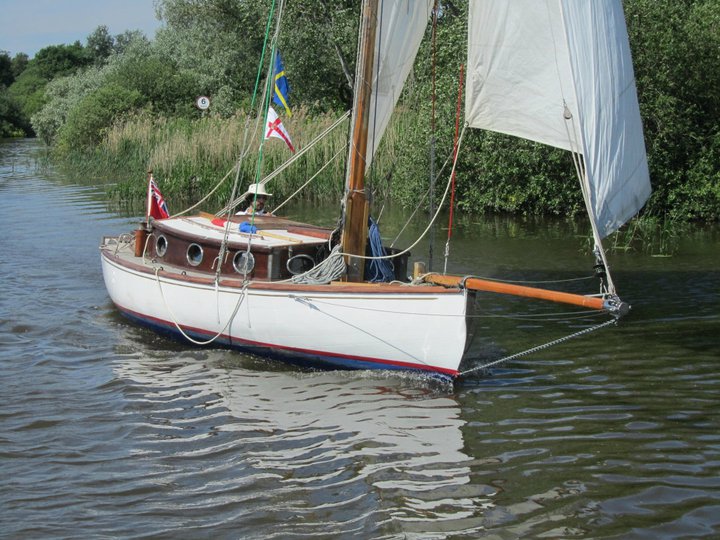
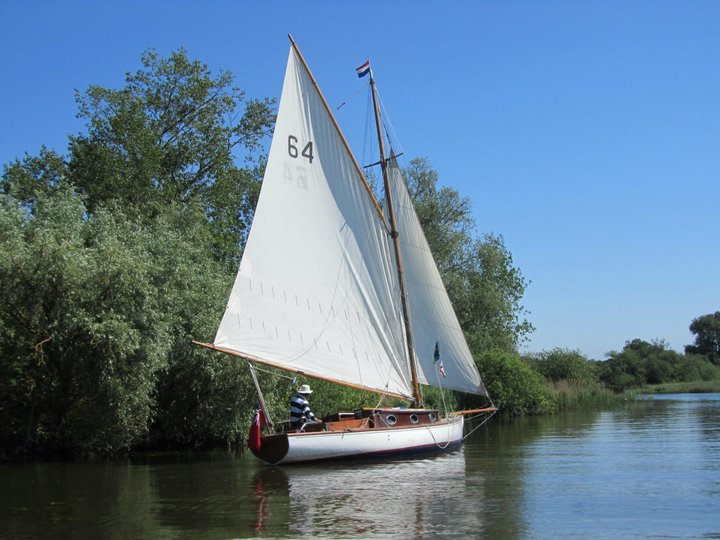
Originally built of sapele – an African mahogany ‘Corsair’ started her life varnished fully – and as age / repairs were undertaken like many yachts she’d been painted white. This usually becomes necessary where the planking is replaced partially, or with different timber to the original.
Certainly by the time I owned ‘Corsair’ there were only a handful of the original sapele planks left – new lengths had been scarfed in both above & below the waterline. Shortly after her venture onto the southern rivers – she popped a scarf under the waterline, inside the old toilet compartment.
Honestly, it’s one of those moments where I could barely disguise my anger toward her. I know, I do know its just a boat. However when you stretch yourself & your limited finances to their limits and beyond… something like this felt like a betrayal! I hurried across to discover the floorboards floating and the bilge pump flat. Bugger.
The source of leak turned out to be this scarf joint, which had been cut between two frames (not the best practice) – and my options to fix it were extremely limited. I hadn’t the money to slip ‘Corsair’, so how the hell was I going to fix this?
A few days later, just before we set off on our first weekend’s cruising, I managed to effect a robust but rough repair. I waited until low water, got nto the mud & at arms reach smeared liberal portions of ‘CT 1’ with a flat scraper into the now partially open scarf joint.
I then clambered back up into the cockpit, leaving a fetid black trail of unspeakable filth – where the process was repeated on the inside. Finally, a pre-shaped ‘prayer book’ was screwed into the plank from the inside. The screws actually protruded outside the hull once everything was tightened. Bollocks to tidying that thought, it’d only bother the fish & would wait until the winter.
In the end, the mess I’d made by first wading in the mud then getting aboard took me until about midnight to square everything away. Bucket after bucket of river water was doused around, I stank, the bilges stank, it was miserable.
However, rough, stupid or unskilled, that repair held for the season & enabled me to keep her in commission. I was still in a place where I hadn’t the luxury of anything other than basic maintenance or repairs. Keep the boat sailing was, and still is my mantra.
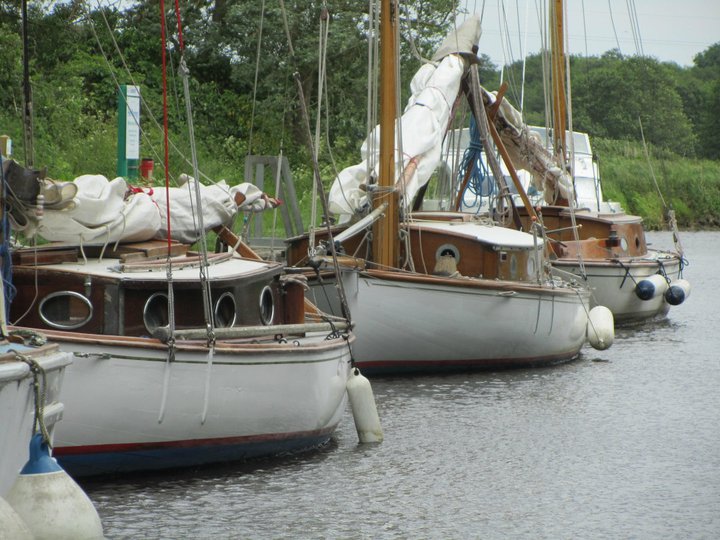
Secondly, the thunderstorm…‘Corsair’ is fitted with hopper windows, from 1961 when she transitioned into a yacht at Landamores in Wroxham (insert link) – with this type of opening, the glass stands vertically & falls back into a wooden holder, mounted on the inner face of the cabin side. The hoppers need to be well constructed & well drained.
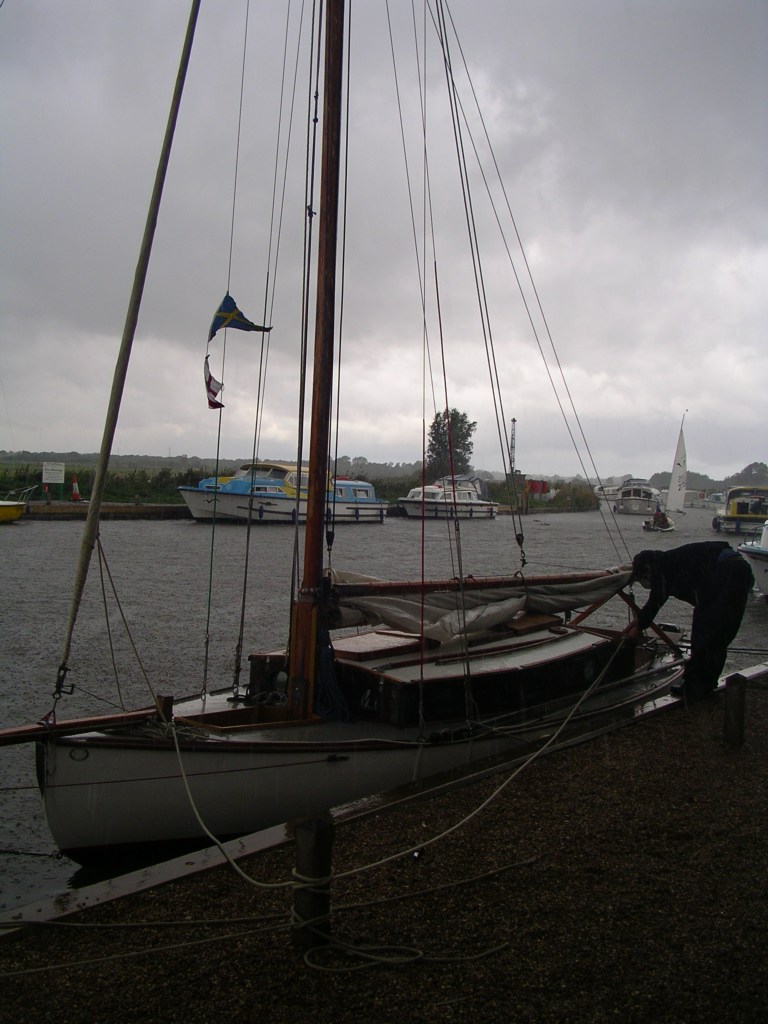
Anyway, in late August 2011 saw the remains of Hurricane Irene displacing some pretty fundamental weather systems across the Atlantic, and quite typically – the YSC were out racing at Breydon regatta. That year we saw the foreboding side of Breydon – leaden skies & limpid water would suddenly whip up into a squall – and of course the rain.
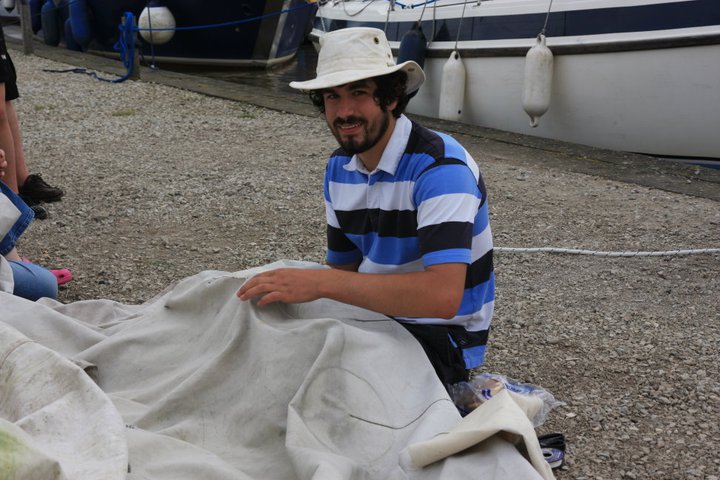
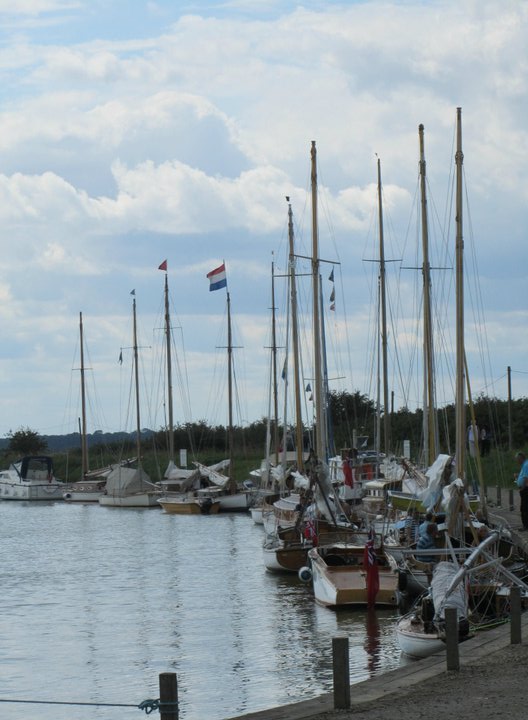
So there we are – snug against the windward bank at Berney when rain of biblical proportions arrive. No build up, no warning just one hell of a BANG with the first thunderclap & then a deluge. It was pandemonium. Inside the cabin – every single window started gushing water onto the bunks.

Receiving the gift of feedback from my then girlfriend – mattresses were flung onto the floors – and a tube of CT1 was recovered from the locker of many things and I threw myself at the task of rebuilding & resealing these poxy hoppers!!
Again – there wasn’t time to really think about doing this carefully, unscrew, slam some sealant round then screw back up – whallop the glass in, nail the final trim back in place and onto the next. If the cabin was damp before I’d started – removing all 8 panes of glass & dismantling the window hoppers made it abit like being inside a washing machine. I think part-way through we also had a row, just for fun.
8 times this was repeated – with the final screw going back into place just as the bloody rain stopped. Marvellous.
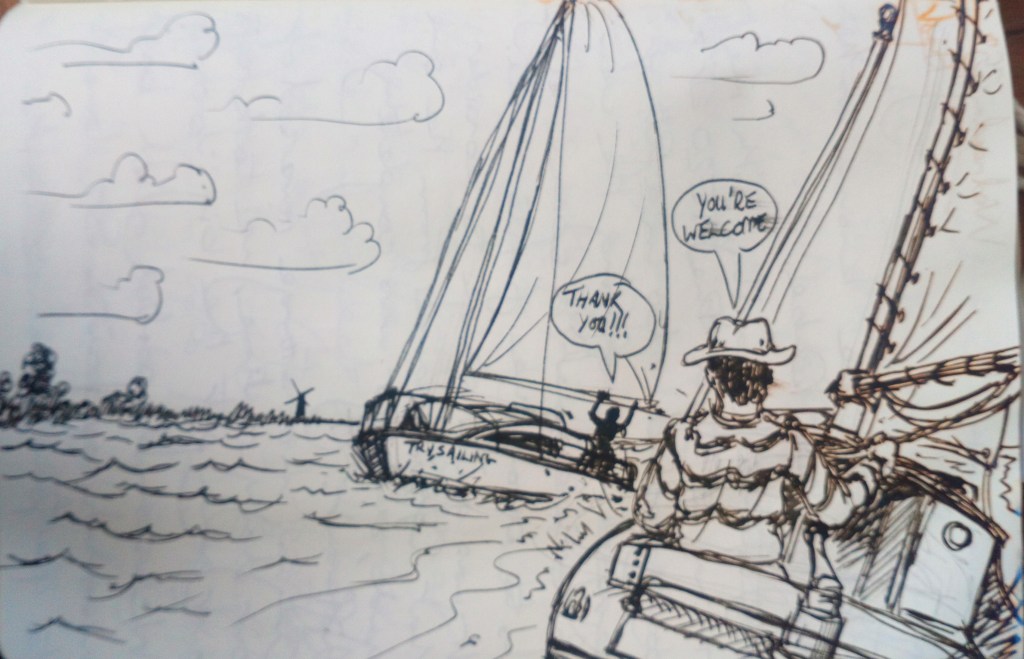
Motoring back upstream was mostly a silent affair, with further insult to injury being when another yacht required a tow for the last few miles back to our mooring. Something which we obliged naturally (again – my mantra always help someone as you never know when you’ll need the favour returned).
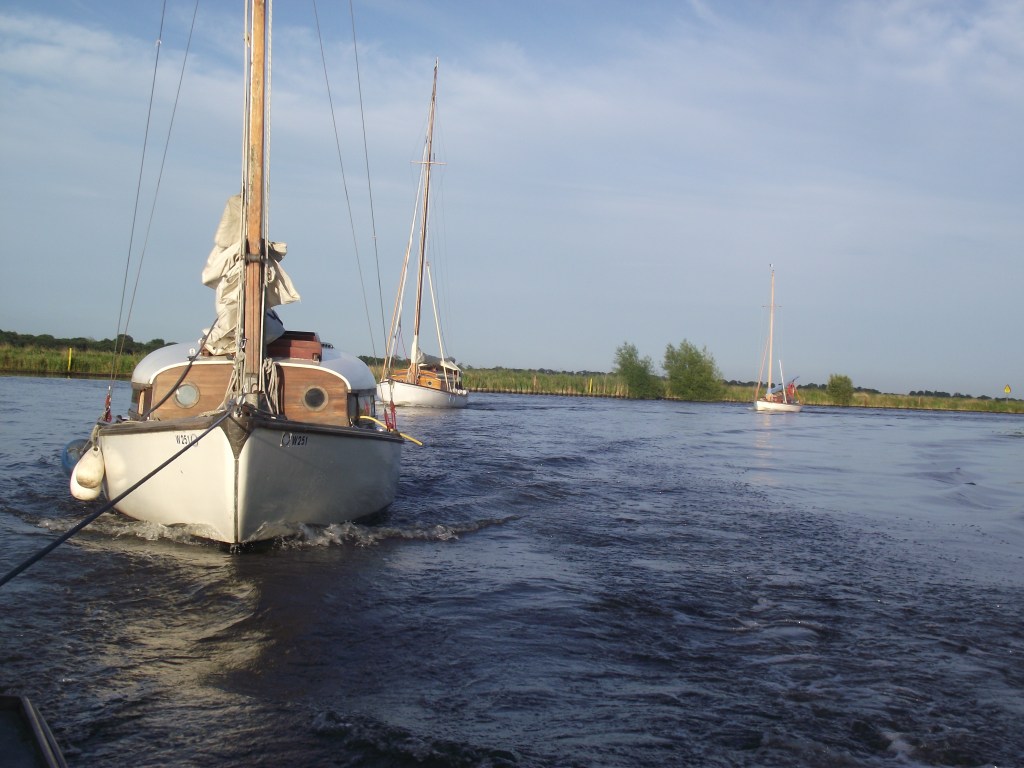
All in all, that Sunday afternoon stands clear of everything else that summer sailing-wise…
Finally however, August B.H. weekend stands out, for all the wrong reasons;
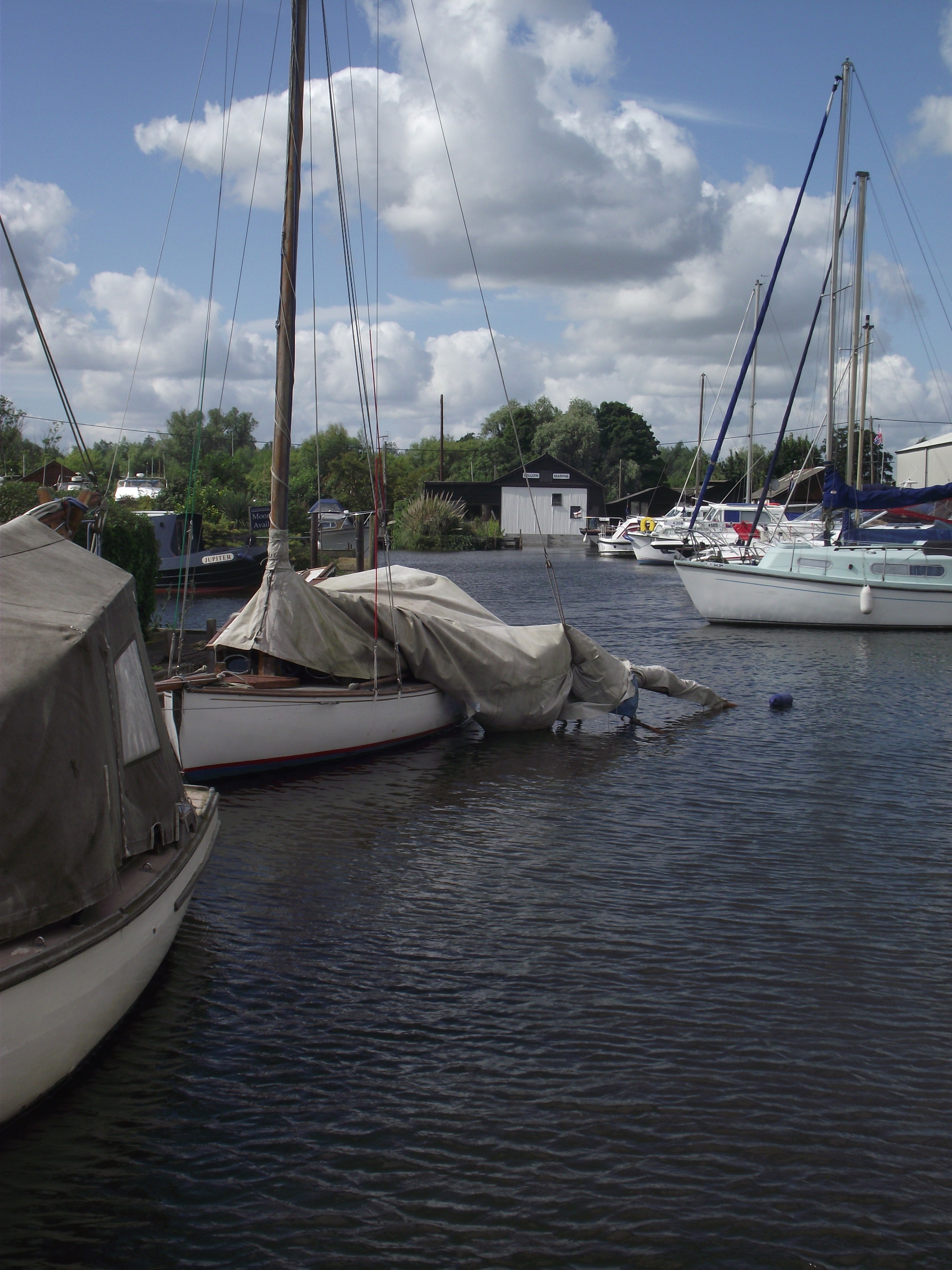

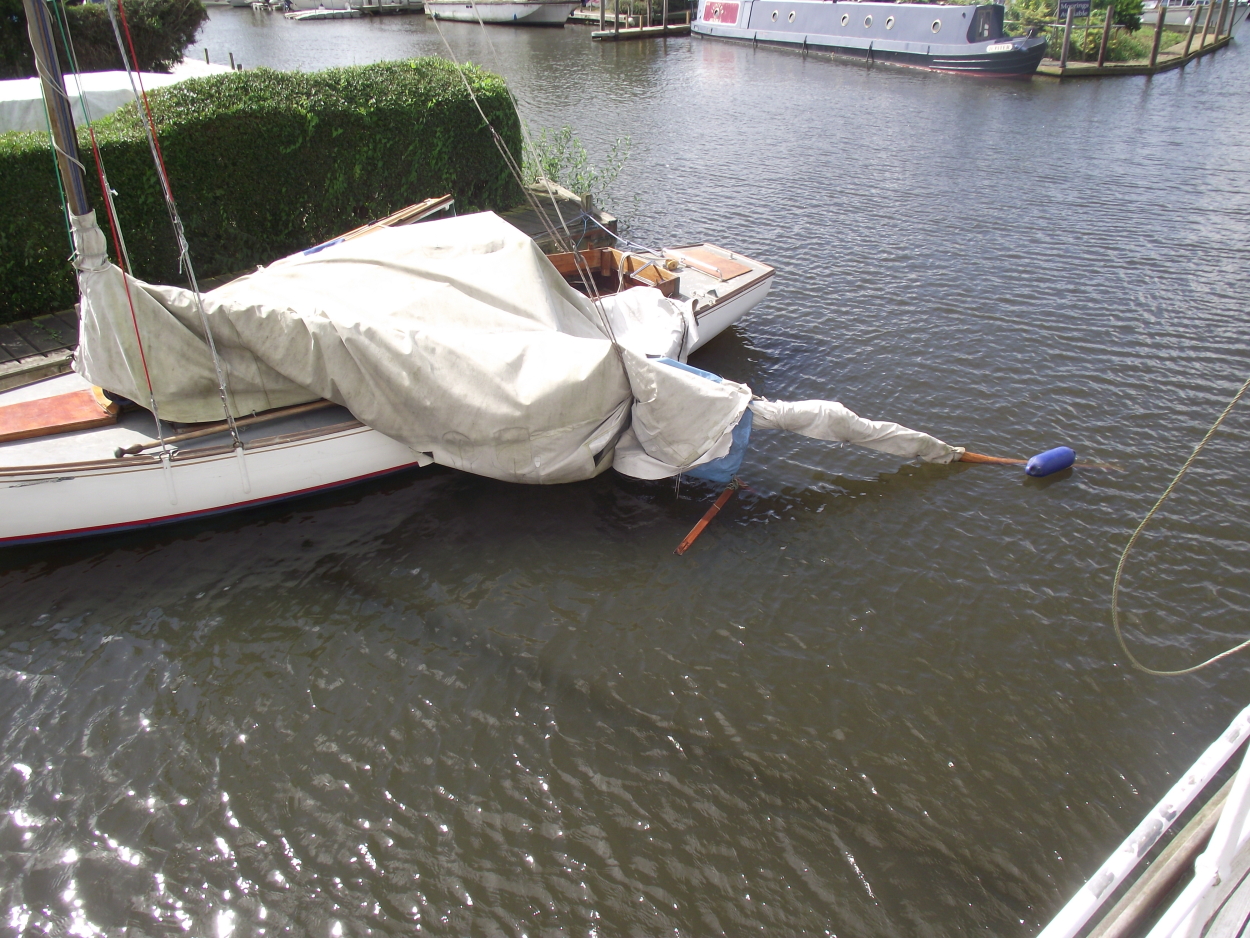
‘Corsair’ had been whalloped by some gormless, feckless twerp in a hireboat, who hadn’t even stopped to leave a note. The bastards.
I’ll not bore you with the details which followed, except to say that they represented a long slog. The argument being that as she was moored up, ‘Corsair’ wasn’t at fault took an age to be accepted by the hire company. What followed was an eventual repair of the awning spreaders & a £100 contribution to my new awning (ultimately this cost me far more than I could afford, but we did eventually have a new awning).
You may think why this wasn’t conducted through the insurance company… well I couldn’t afford it could I? Hence the weeks of back & forth – carefully listening to the hire company explain how maybe I shouldn’t moor there, etc etc.
All the while sitting on the urge to punch the bastard on the nose & ask how I can get in/out of that dyke with no engine without hitting anything, so why couldn’t they with their 40hp engine & bow thrusters?
It was a hard lesson. Never trust people to do the right thing, and not everyone cherished ‘Corsair’ in the same way I did. Little did I know this wouldn’t be the last time I was in this position.






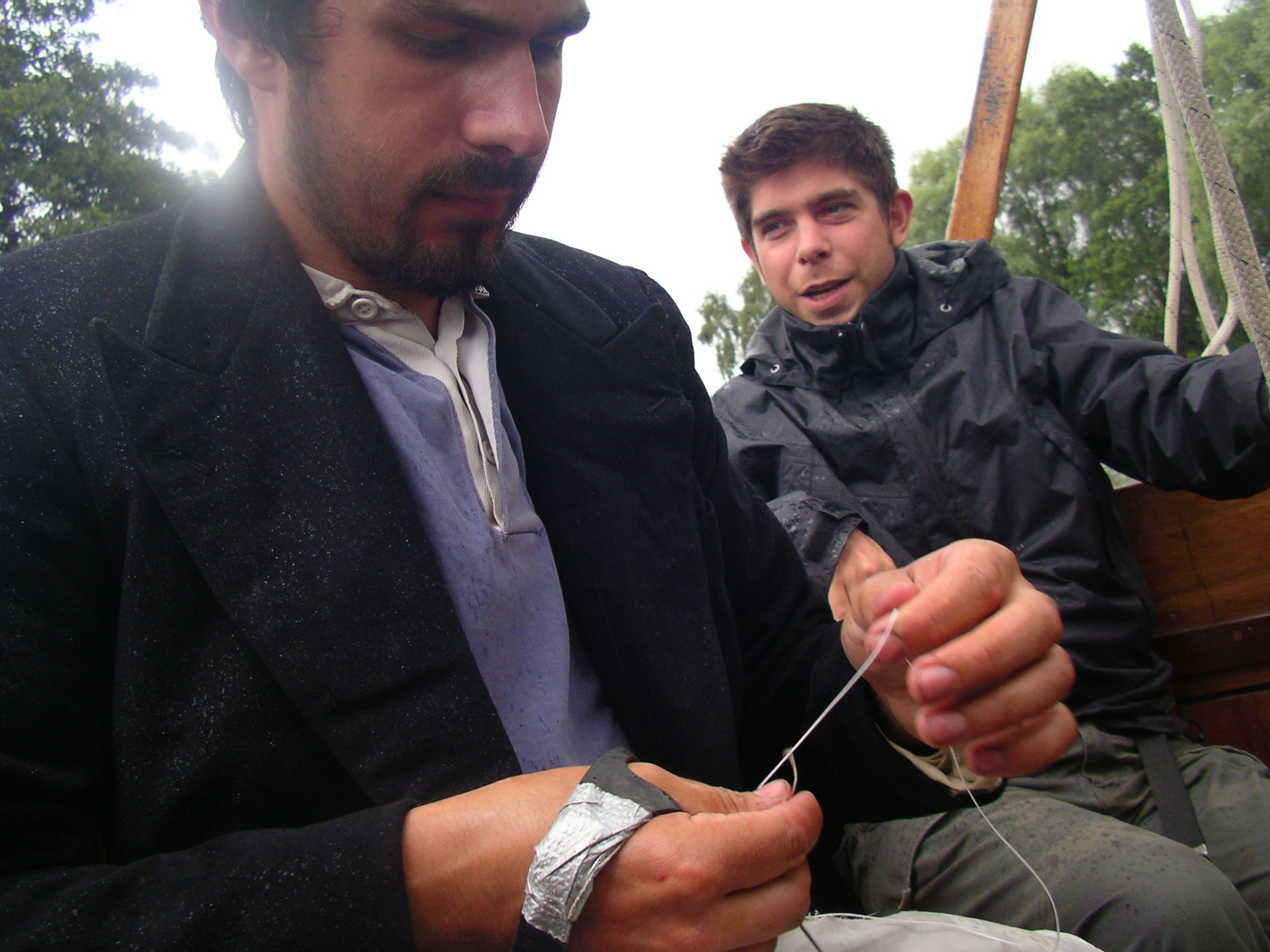

 A Broadsman